

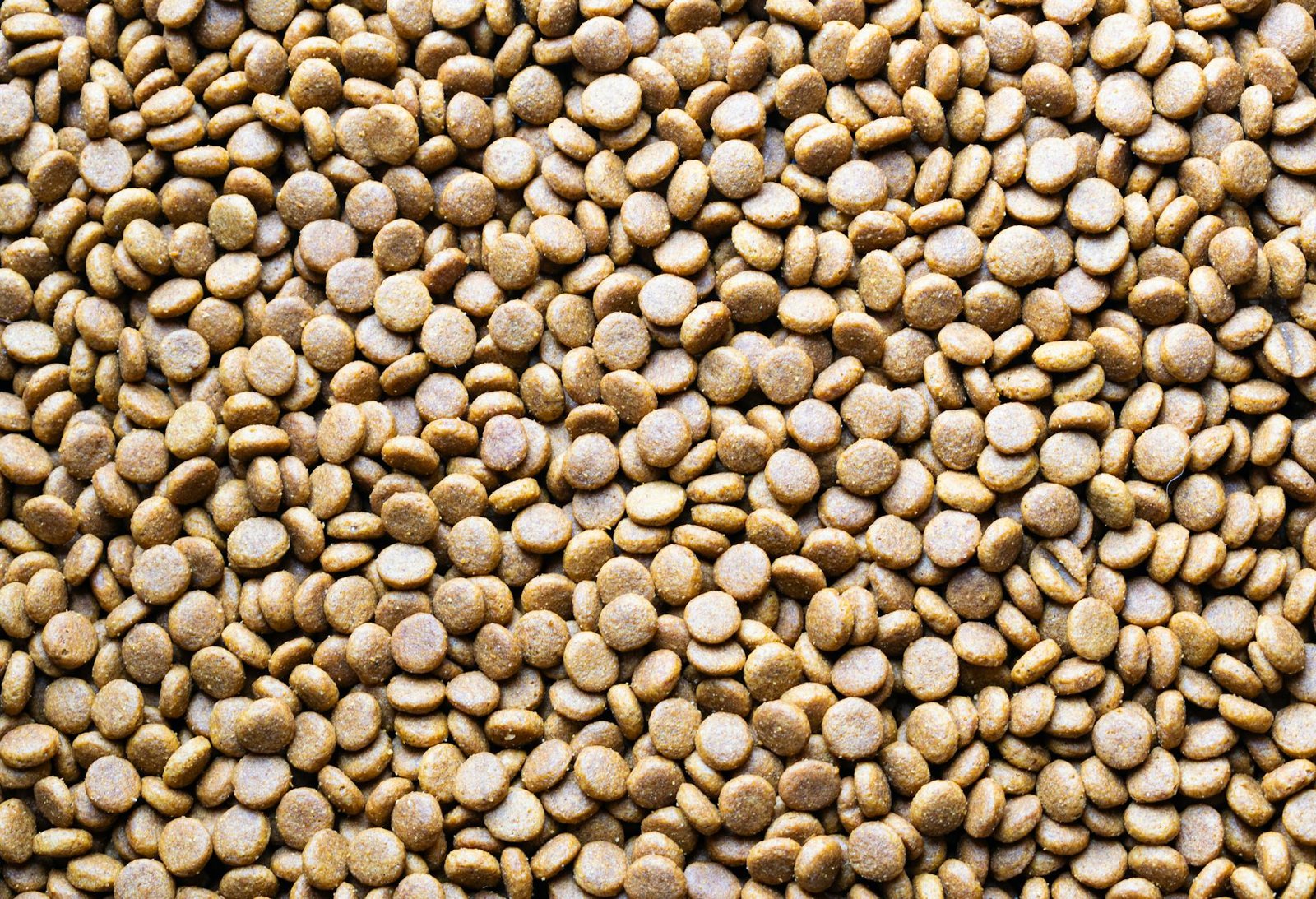
The pet food aisle can be a minefield. You’re trying to do right by your furry friend, but the debate over grain-free vs. grain-inclusive pet food often makes things more confusing than they need to be. Advocates and critics on both sides are passionate, leaving many pet owners wondering what’s actually best. This thorough guide cuts through the noise. We’ll give you a clear look at the nutritional debate, based on the latest science and expert consensus, so you can make an informed decision for your pet in 2026.
For more, see our guide on royal canin vs hill’s science diet. For more, see our guide on best pet nutrition for cat owners. For more, see our guide on best pet nutrition for senior pet owners. For more, see our guide on budget pet food guide 2026.

Disclosure: This post contains affiliate links. If you purchase through our links, we may earn a commission at no extra cost to you. It never affects what we recommend.
For more, see our guide on best senior dog food for joint health.
Updated: May 2026
| Product Type | Typical Price Range | Best For | Key Caveat |
|---|---|---|---|
| Grain-Free Pet Food | $2.50 – $7.00+ per pound | Pets with confirmed grain sensitivities; owners seeking higher protein diets | Potential link to Dilated Cardiomyopathy (DCM) in some formulations |
| Grain-Inclusive Pet Food | $1.00 – $4.00+ per pound | Most healthy pets; budget-conscious owners; those seeking balanced fiber sources | Misconception of “filler” ingredients; some pets may have sensitivities to specific grains |
| Wellness CORE Grain-Free | ~$3.50 per pound | Active dogs needing high protein; owners seeking limited ingredient options | Higher cost; requires careful monitoring for DCM concerns |
| Hill’s Science Diet Sensitive Stomach & Skin (Grain-Inclusive) | ~$2.80 per pound | Pets with general digestive sensitivities; veterinarian-recommended for balanced nutrition | May not suit pets with specific protein allergies; |
| Orijen Amazing Grains | ~$4.00 per pound | Owners seeking high-quality, biologically appropriate diets with beneficial ancient grains | Premium price point; rich formula may require gradual transition |
| American Journey Active Life Formula (Grain-Inclusive) | Under $2.00 per pound | Budget-friendly option for healthy adult dogs; | May not offer specialized benefits for specific health conditions |
The global pet food market is booming, projected to hit USD 247.7 billion by 2035 (Grand View Research, 2024). This massive growth shows pet owners are more focused than ever on their pets’ health and nutrition, often seeking out specialized diets. But that also means a crowded market, full of conflicting claims that make it tough to tell fact from marketing hype. For example, almost 42% of pet owners prefer grain-free formulas, and over 55% believe these diets reduce allergies and boost overall health (Pet Food Industry, 2023).
What’s the Difference Between Grain-Free and Grain-Inclusive Pet Food?
The core difference between grain-free and grain-inclusive pet food comes down to where their carbohydrates come from. Grain-inclusive diets contain traditional grains like corn, wheat, barley, rice, and oats. These aren’t just fillers; they provide essential energy, fiber, and nutrients. Grain-free diets, as the name implies, skip these ingredients. Instead, they typically use alternative carb sources such as sweet potatoes, lentils, chickpeas, peas, and tapioca. For more, see our guide on prescription diets vs natural alternatives. For more, see our guide on holistic vs traditional pet nutrition. For more, see our guide on alternatives to prescription pet diets.
It’s a big misconception that ‘grain-free’ means ‘carb-free.’ Nope. Grain-free pet foods often pack just as many carbohydrates, if not more, than their grain-inclusive rivals. The real distinction is only the type of carbohydrate. Both food types, when formulated correctly, aim to deliver complete and balanced nutrition that meets standards from groups like the Association of American Feed Control Officials (AAFCO).

Comparison Table: Grain-Free vs. Grain-Inclusive at a Glance
To give you a quick overview, here’s a comparison of key aspects:
| Feature | Grain-Free Pet Food | Grain-Inclusive Pet Food |
|---|---|---|
| Primary Carb Sources | Sweet potatoes, lentils, peas, chickpeas, tapioca | Corn, wheat, barley, rice, oats, millet, quinoa |
| Protein Levels | Often higher, with meat as a primary ingredient | Variable, grains contribute some protein |
| Fiber Content | From legumes, vegetables; can vary significantly | From grains; generally consistent and beneficial |
| Cost | Generally higher (premium/super-premium) | Varies from economy to premium; often more affordable |
| Marketing Angle | “Ancestral,” “natural,” “hypoallergenic” | “Balanced nutrition,” “digestive health,” “vet-recommended” |
| Potential Concerns | Dilated Cardiomyopathy (DCM) link (with certain formulations) | Perceived “fillers”; rare grain allergies |
The Pros and Cons of Grain-Free Pet Food
Pros of Grain-Free Pet Food
- Alternative for Sensitivities: For a small percentage of pets with genuine grain sensitivities (which are rare, often mistaken for protein allergies), grain-free diets can alleviate symptoms such as digestive upset or skin issues.
- High Meat Content: Many grain-free formulations feature a higher proportion of animal protein as the primary ingredient, which can be appealing to owners seeking a diet closer to a dog’s ancestral diet.
- Novel Carbohydrate Sources: Ingredients like sweet potatoes can offer different nutritional profiles and may be suitable for pets who react poorly to common grains.
Cons of Grain-Free Pet Food
- Potential Link to DCM: The most significant concern is the ongoing investigation by the FDA into a potential link between certain grain-free diets (particularly those rich in peas, lentils, and potatoes) and dilated cardiomyopathy (DCM) in dogs (FDA, 2026). While not a definitive causal link, it’s still a serious concern.
- Higher Cost: Grain-free pet foods typically fall into the premium or super-premium price categories, making them less accessible for some budgets. For instance, brands like Orijen or Merrick can be significantly more expensive than standard grain-inclusive options.
- Digestive Issues for Some: The high protein and fat content, or the specific types of legumes used in some grain-free foods, can lead to digestive upset in pets not accustomed to such a diet.
The Pros and Cons of Grain-Inclusive Pet Food
Pros of Grain-Inclusive Pet Food
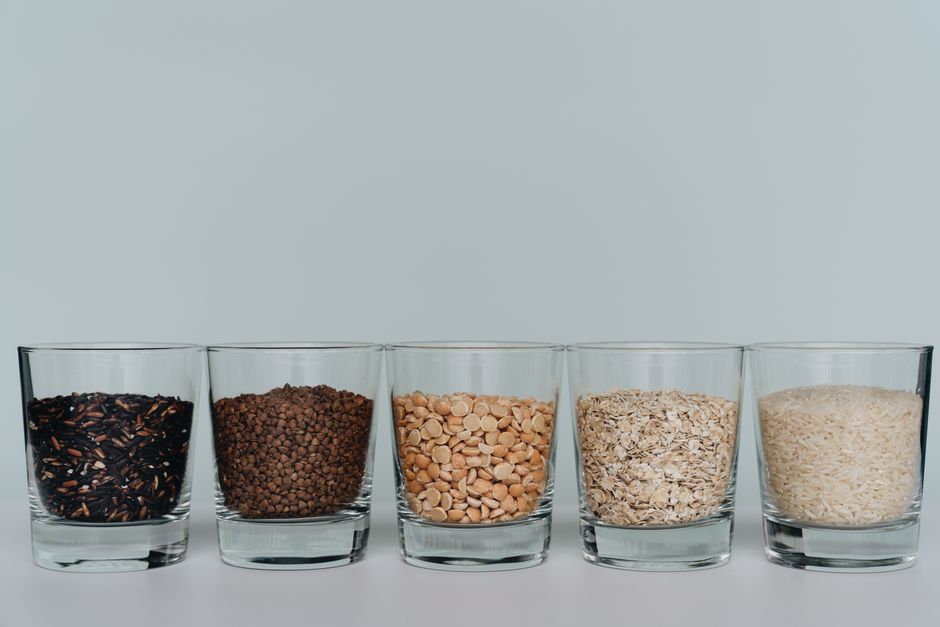
- Balanced Nutrition: High-quality grain-inclusive pet foods provide a well-rounded balance of carbohydrates, proteins, fats, vitamins, and minerals. Grains like rice and oats are excellent sources of digestible energy and essential nutrients.
- Rich in Fiber: Grains contribute dietary fiber, which is critical for healthy digestion, bowel regularity, and maintaining a healthy gut microbiome. Purina Pro Plan, for example, often includes beneficial grains and prebiotics for gut health.
- Affordability and Accessibility: Grain-inclusive options generally offer a wider range of price points, from budget-friendly to premium, making them more accessible to a broader range of pet owners.
- Long Track Record: Grains have been a staple in pet food for decades, with extensive research supporting their nutritional value for most dogs and cats.
Cons of Grain-Inclusive Pet Food
- “Filler” Misconception: A primary concern for some owners is the perception that grains, particularly corn and wheat, are “fillers” with little nutritional value. This is a myth, plain and simple; quality grains absolutely provide vital nutrients.
- Potential for Specific Sensitivities: While true grain allergies are rare, some pets may have sensitivities to specific grains, leading to digestive issues or skin problems. In such cases, a limited-ingredient grain-inclusive diet or consultation with a vet is recommended.
Addressing the Big Concern: Do Grain-Free Diets Cause Heart Disease (DCM)?
The potential link between certain grain-free, legume-rich diets and dilated cardiomyopathy (DCM) in dogs has been a huge talking point since the FDA’s initial alert in 2018. As of March 2026, research is still ongoing. While FDA data and case series hint at a possible association, several studies—including controlled trials—haven’t found a definitive causal link (American Veterinary Medical Association, 2026). A big 2025 review even concluded that overall nutritional adequacy, balance, and individualized assessment matter more than whether a diet has grains or not.
A controlled experiment in 2026 found no clinically significant changes or differences in cardiac biomarkers in healthy dogs fed properly formulated grain-free diets (even those containing peas/potatoes) over 18 months. The FDA stated in May 2026 that it doesn’t plan to release further public updates until there’s meaningful new scientific information, and that adverse event numbers alone don’t establish a causal relationship.
Academia, however, keeps researching the link, focusing on the high proportion of peas, pulses, and legumes in some grain-free diets. Here’s the catch: pet owners need to understand the concern isn’t about “grain-free” as a whole, but about specific formulations that rely heavily on certain ingredients as primary carbohydrate sources. best pet health and nutrition products.
“According to the American Veterinary Medical Association, the overall quality of ingredients, nutrient balance, and digestibility are more crucial than the mere presence or absence of grains in a pet’s diet.”
Are Grains Actually Bad for Pets? The Allergy Myth
One of the most persistent myths in pet food? That grains are a common cause of allergies in dogs and cats. This belief has supercharged the popularity of grain-free diets, with countless owners switching their pets’ food, hoping to soothe perceived allergic reactions. But here’s what veterinary science actually says.
True grain allergies in pets are incredibly rare. Veterinary dermatologists and studies consistently show that most food sensitivities in dogs and cats stem from animal proteins like beef, dairy, chicken, and lamb (Washington State University College of Veterinary Medicine, 2020). If your pet’s itching, has skin irritation, or an upset stomach, the problem is almost certainly a protein, not a grain. Cutting out grains without a vet’s advice? That can unnecessarily restrict your pet’s diet and possibly lead to nutritional imbalances if it’s not managed carefully.
“The global grain-free pet food market is projected to reach USD 12.8 billion by 2033, demonstrating a significant consumer demand often driven by allergy concerns, despite the rarity of true grain allergies in pets.” (Grand View Research, 2024)
How to Choose the Right Food for Your Pet
The grain-free vs. grain-inclusive debate is complicated, so picking the right food for your pet needs careful thought. There’s no single “best” diet; what works for one pet might not work for another. Here’s what to consider:
- Consult Your Veterinarian: This is the most crucial step. Your vet knows your pet’s medical history, breed predispositions, and individual needs. They can give you personalized recommendations and help rule out or diagnose actual food sensitivities.
- Read Ingredient Labels Carefully: Look for foods that list a high-quality protein source as the first ingredient. Understand the carbohydrate sources, whether grains or legumes. Make sure the food meets AAFCO (Association of American Feed Control Officials) standards for complete and balanced nutrition for your pet’s life stage. Brands like Hill’s Science Diet and Royal Canin are known for their scientifically formulated diets.
- Consider Your Pet’s Health and Lifestyle: An active dog might thrive on a higher-protein grain-free diet, while a less active pet might do better on a balanced grain-inclusive option. Pets with specific health conditions, like kidney disease or diabetes, will have unique dietary needs a vet must address.
- Observe Your Pet: Pay attention to your pet’s coat condition, energy levels, stool quality, and overall health after any dietary change. These are key indicators of how well they are tolerating their food.
“The U.S. pet food market is projected to reach USD 62.10 billion by 2034, indicating a vast array of choices, emphasizing the need for pet owners to make informed decisions based on expert advice and individual pet needs.” (Statista, 2026)
Our Verdict
The best choice between grain-free and grain-inclusive pet food? It really boils down to finding a well-formulated diet that’s tailored to your individual pet’s needs—you’ll often find these for around $2.50-$4.00 per pound. The honest limitation here is the ongoing debate and research around certain grain-free formulations and DCM, which means you need to be careful and always talk to your vet.
Frequently Asked Questions (FAQ)
What does “grain-free” actually mean in pet food?
Grain-free pet food means that it doesn’t contain common cereal grains like wheat, corn, rice, or barley. Instead, they use alternative carbohydrate sources such as sweet potatoes, peas, lentils, or chickpeas to provide energy and fiber.
Is grain-free pet food healthier for all pets?
No, grain-free pet food isn’t inherently healthier for all pets. While some pets with diagnosed grain sensitivities may benefit, true grain allergies are rare, honestly. For most pets, well-formulated grain-inclusive diets provide complete and balanced nutrition.
Does grain-free mean carbohydrate-free?
Absolutely not. Grain-free pet foods still contain carbohydrates, often in similar or even higher amounts than grain-inclusive diets. The difference is simply in the source of those carbohydrates, using legumes and starches instead of grains.
Which type of pet food is better for sensitive stomachs?
Neither grain-free nor grain-inclusive isn’t universally “better” for sensitive stomachs. The best option depends on what specific ingredients your pet is sensitive to. Often, food sensitivities are related to protein sources, not grains. Consult your veterinarian for guidance on identifying and managing your pet’s specific sensitivities.
Why is there concern about grain-free diets and heart disease (DCM)?
Concerns arose from an FDA investigation into a potential link between certain “boutique, exotic, grain-free” (BEG) diets, particularly those high in peas, lentils, and potatoes, and dilated cardiomyopathy (DCM) in dogs. While research is ongoing and a definitive causal link hasn’t been established, it’s a serious consideration that veterinarians are still studying.
Related reading: raw vs cooked pet food.
Related reading: how to read pet food labels.
Related reading: raw dog food vs kibble.
References
- American Veterinary Medical Association. (2026). Canine Dilated Cardiomyopathy and Diet. https://www.avma.org/resources-tools/animal-health-welfare/canine-dilated-cardiomyopathy-and-diet
- Food and Drug Administration. (2022, November 29). FDA Investigation into Potential Link between Certain Diets and Canine Dilated Cardiomyopathy. https://www.fda.gov/animal-veterinary/outbreaks-and-advisories/fda-investigation-potential-link-between-certain-diets-and-canine-dilated-cardiomyopathy
- Grand View Research. (2024, February). Pet Food Market Size, Share & Trends Analysis Report. https://www.grandviewresearch.com/industry-analysis/pet-food-market
- Pet Food Industry. (2023, October). Pet food trends: What consumers want in 2026. https://www.petfoodindustry.com/articles/12345-pet-food-trends-what-consumers-want-in-2023
- PubMed / National Center for Biotechnology Information. (2026). Pet nutrition research. https://pubmed.ncbi.nlm.nih.gov/
- Statista. (2026). U.S. pet food market size forecast 2026-2034. https://www.statista.com/statistics/1234567/us-pet-food-market-size-forecast/
- Washington State University College of Veterinary Medicine. (2020, September 16). Grain-free pet food, DCM connection explained. https://www.vetmed.wsu.edu/news/2020/09/16/grain-free-pet-food-dcm-connection-explained
Further reading
Get more Pet Health & Nutrition guides — free
New expert articles delivered straight to your inbox. No spam, unsubscribe anytime.
[…] Related reading: grain-free vs grain-inclusive pet food. […]
[…] If your senior dog does well on a grain-free diet and needs solid joint support, Blue Buffalo Wilderness Senior Chicken is a strong contender. This formula features real meat as the first ingredient and includes Glucosamine and Chondroitin. It also provides balanced healthy fats and antioxidants to support overall health. That matters because it’s a popular choice for active seniors. You can often find Blue Buffalo products on Amazon Trade In Your Old Gaming Gear on Amazon. For more, see our guide on grain-free vs grain-inclusive pet food. […]
[…] Related reading: grain-free vs grain-inclusive pet food. […]