

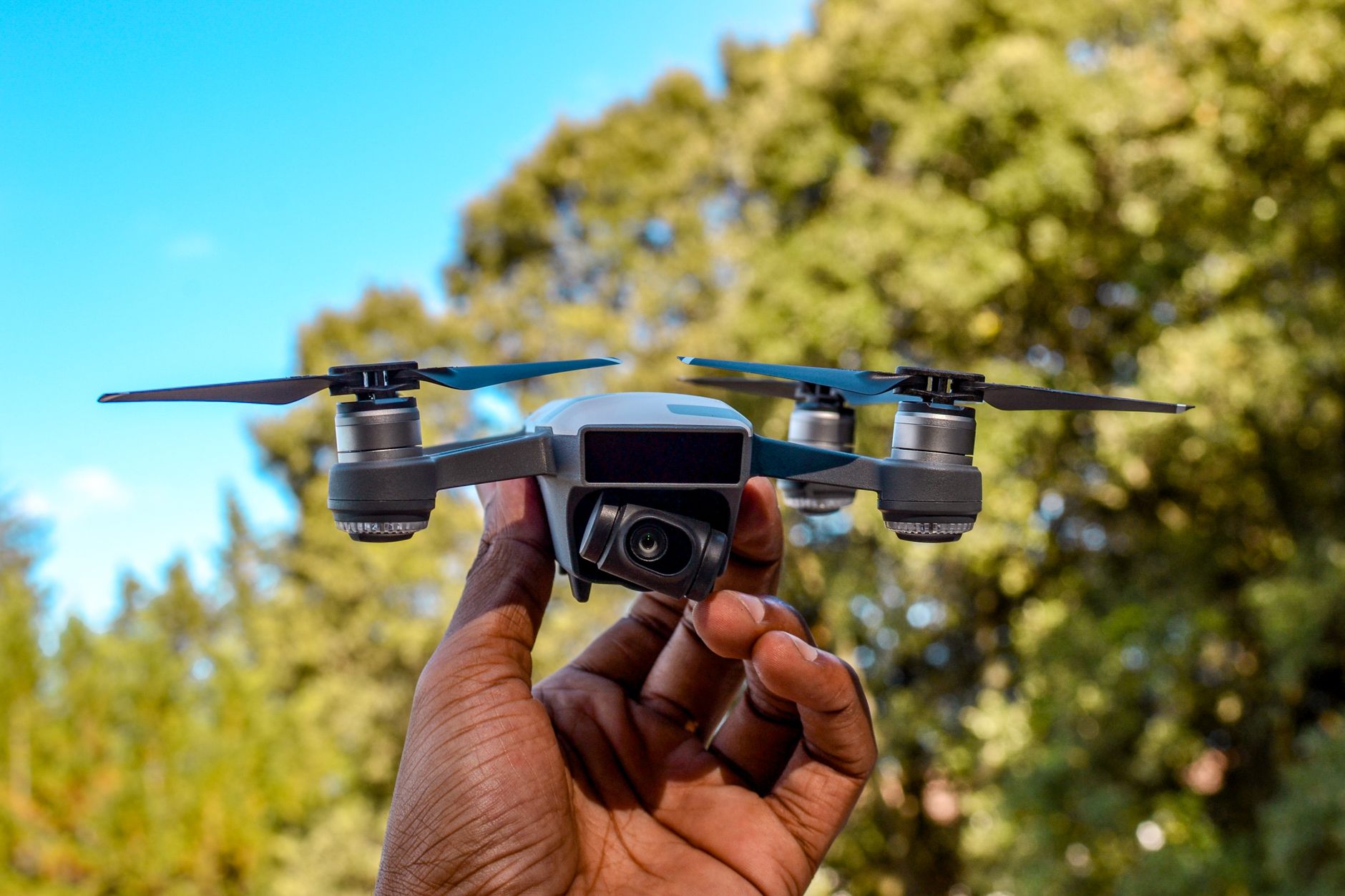
Homes with visible security cameras are 60% less likely to be targeted by burglars (University of North Carolina Criminal Justice Research, 2023). That’s why picking the right wireless outdoor security camera in 2026 matters so much for your home’s safety. It can be a tough choice, especially when comparing two top contenders from the Amazon ecosystem: the Ring Stick Up Cam Battery and the Blink Outdoor. This head-to-head comparison, focusing on the Ring Stick Up Cam vs Blink Outdoor 2026 models, will explore key features like video resolution, field of view, battery life, night vision quality, and cloud storage costs.
Disclosure: This post contains affiliate links. If you purchase through our links, we may earn a commission at no extra cost to you. It never affects what we recommend.
📚 Based on 2 independent sources linked below · Updated: October 2026
| Product | Price | Best For | Key Caveat |
|---|---|---|---|
| Ring Stick Up Cam Battery | $99.99-$119.99 | Ring ecosystem users, wider FoV, color night vision | Requires subscription for video history |
| Blink Outdoor | $99.99-$109.99 | Maximum battery life, local storage, budget-conscious | Narrower FoV, basic app features |
Overview of Ring Stick Up Cam vs. Blink Outdoor (2026)
While both the Ring Stick Up Cam Battery and the Blink Outdoor provide solid 1080p HD video and two-way audio for wireless home security, they cater to slightly different user priorities. The global smart home security market is projected to reach approximately USD 43.21 billion in 2026 (Statista, 2026), showing how much demand there is for reliable security solutions. With 61% of U.S. households having at least one security camera as of April 2026, these devices are everywhere (Statista, 2026).
Ring’s known for its huge ecosystem of doorbells and alarms, giving you a feature-packed experience. Blink, on the other hand, was bought by Amazon in 2017 and leans into simplicity, affordability, and incredible battery life. Knowing these core philosophies helps you pick the best camera for your home. We’ll look at each camera’s pros and cons.
Key Similarities: Where Both Cameras Align
Even with their differences, the Ring Stick Up Cam Battery and Blink Outdoor share crucial features that make them solid wireless security cameras. Both give you 1080p HD video, so footage is clear enough for identification. They also have two-way audio, letting you talk to visitors or scare off intruders right from the app. Plus, both cameras are built for the outdoors, tough enough for any weather, and integrate smoothly with Amazon Alexa for voice control and smart home routines.
Both devices are battery-powered, which means you can place them almost anywhere without constant wiring. They also come with infrared night vision for low-light monitoring. And since both are Amazon-owned, they get continuous software and security updates. That includes a recent focus (late 2026 to early 2026) on AI motion detection to cut down on false alerts.
Key Differences: The Deciding Factors in the Ring Stick Up Cam vs Blink Outdoor 2026 Debate
The real differences between the Ring Stick Up Cam Battery and Blink Outdoor show up when you look at their specs and how they feel to use. These distinctions often decide which camera fits your specific needs better.
Field of View and Video Quality
The Ring Stick Up Cam Battery gives you a wider field of view (130° diagonal, 110° horizontal, 57° vertical) than the Blink Outdoor’s 110° diagonal. That wider angle can be a game-changer for covering big areas with just one camera. Both offer 1080p HD video, but Ring’s color night vision (if there’s enough ambient light) often delivers a clearer, more detailed image in low-light situations than Blink’s infrared-only HD night vision.
Battery Life and Power Source
Honestly, this is the biggest difference between them. The Blink Outdoor boasts an impressive battery life of up to two years on two AA lithium batteries, making it incredibly low-maintenance. This kind of longevity is a huge draw for anyone who wants to “set it and forget it.” The Ring Stick Up Cam Battery, on the other hand, uses a quick-release rechargeable battery pack that usually lasts a few months, depending on how busy the area is. It’s convenient to recharge, but you’ll be doing it more often, especially if you place it in a high-traffic spot. You’ll see plenty of Reddit users complaining about Ring’s faster battery drain in those scenarios.
Connectivity and Installation
The Ring Stick Up Cam Battery connects right to your 2.4 GHz Wi-Fi. That makes installation simpler but can leave it vulnerable to weak Wi-Fi signals if it’s too far from your router outdoors. The Blink Outdoor, though, needs a Blink Sync Module 2, which then connects to your 2.4 GHz Wi-Fi. The cameras talk to the Sync Module using a special low-power radio frequency.
This setup can boost battery life and allow local storage, but it also means an extra piece of hardware and you’ll need to think about where to place the Sync Module itself. DIY installation is huge now; 49% of alarm system users install their own systems (Statista, 2026).
Storage Options and Subscription Costs
Both cameras offer cloud storage, but Blink gives you a compelling free local storage option. With the Blink Sync Module 2 and a USB flash drive (not included), you can save video clips locally without a subscription.That’s a huge plus for anyone on a budget or who wants to skip monthly fees.
Blink’s plans are also a bit cheaper: Basic ($3/month or $30/year per device) and Plus ($10/month or $100/year per household). Ring’s Protect Plans start higher at Basic ($3.99/month or $39.99/year per device) and go up to Pro ($20/month or $200/year per household). Ring’s reliance on a subscription for video history is a common pain point for users.
Feature & Tech Deep Dive: Ring Stick Up Cam vs Blink Outdoor (2026)
A closer look at both cameras’ technical specs and features shows where each one shines. While they both offer basic security, how they deliver it varies.
Video Resolution and Quality
Both the Ring Stick Up Cam Battery and Blink Outdoor deliver 1080p HD video. This resolution is standard for consumer cameras and usually provides enough detail for most monitoring. But factors beyond just resolution, like dynamic range and compression, can affect how good the picture actually looks. Ring typically offers slightly better image processing, especially in tough lighting. Plus, Ring’s software updates in late 2026 and early 2026 have boosted motion detection algorithms, aiming for clearer, more relevant recordings.
Night Vision Capabilities
The Ring Stick Up Cam Battery has both infrared night vision and color night vision (when there’s enough ambient light). Color night vision can be a big advantage, adding more context and detail to recordings — which is crucial for identifying intruders. The Blink Outdoor only uses infrared HD night vision, giving you clear black-and-white footage. It’s effective, sure, but it misses the color info Ring can sometimes provide. People often wonder if Blink’s night vision is “good enough,” and for basic monitoring, it absolutely is. But Ring does have an edge in certain situations.
Audio Features
Both cameras come with two-way talk, so you can communicate in real time. The Ring Stick Up Cam often has better noise cancellation, which makes conversations clearer. That’s super useful for talking to delivery drivers or scaring off porch pirates. Blink’s two-way audio works, but it’s not always as polished as Ring’s in noisy settings. Being able to talk through your camera is a key feature for many, and both brands make it a priority.
Motion Detection and Alerts
Both Ring and Blink cameras come with customizable motion detection zones and adjustable sensitivity. This lets you focus on specific areas and cut down on false alerts. But let’s be real: false alerts from pets, cars, or even the weather are a common complaint. Ring’s been constantly refining its AI algorithms for person detection and activity zones (late 2026 to early 2026) to tackle these problems. Blink also put out minor firmware updates in early 2026, boosting battery performance and motion detection accuracy. If you’re getting false alarms, the best troubleshooting often comes down to careful zone setup and sensitivity calibration.
Installation & Setup Comparison
For many DIY homeowners, easy installation is a huge deal, especially now that DIY setups have actually overtaken professional ones (Statista, 2026). Both cameras are pretty simple to set up, but they have clear differences.
Ring Stick Up Cam Battery Installation
You can mount the Ring Stick Up Cam Battery almost anywhere: tabletop, wall, or ceiling. Its quick-release battery pack makes charging a breeze. Setup means downloading the Ring app, scanning a QR code, and connecting to your home’s 2.4 GHz Wi-Fi. People generally love how easy it is to install and how smoothly it connects with existing Ring devices. The catch? Getting a strong Wi-Fi signal outdoors can be tough, which leads to common complaints like “Ring cam has weak Wi-Fi signal.”
Blink Outdoor Installation
The Blink Outdoor camera comes with a simple screw-in mount, so physical installation is fast and easy. Setup requires connecting the Blink Sync Module 2 to your Wi-Fi first, then pairing the cameras to the Sync Module. This special connection between the camera and Sync Module is built for ultra-low power use, which helps it achieve that incredible battery life. While it’s still pretty simple, needing a Sync Module adds an extra step and another device to place within Wi-Fi range. Some users do report a slight delay when trying to get a live view from Blink cameras.
Storage Options: Cloud Subscription vs. Local Storage
How each camera handles video storage is a critical difference, directly affecting your long-term costs and what you prefer. The ins and outs of local versus cloud storage often confuse people.
Ring Protect Plan for Cloud Storage
The Ring Stick Up Cam Battery relies on a Ring Protect Plan subscription to save video history. Without it, you can only see live feeds and get motion alerts; you can’t review past recordings. The Basic plan costs $3.99/month or $39.99/year per device, giving you 180 days of video history. The Plus plan ($10/month or $100/year per household) covers all Ring devices at one spot and includes an extended warranty. The Pro plan ($20/month or $200/year per household) even adds professional monitoring for Ring Alarm. People often ask, “Do I need a subscription for Ring?” The short answer is yes, if you want video recording functionality.
Blink Subscription Plan and Free Local Storage
The Blink Outdoor gives you both cloud storage and a really attractive free local storage option. With the Blink Sync Module 2 and a USB flash drive (not included), you can save video clips right to the drive without any subscription.That’s a huge win for anyone on a budget or who just hates monthly fees. Blink’s subscription plans are also a bit cheaper: Basic ($3/month or $30/year per device) and Plus ($10/month or $100/year per household). Ring’s Protect Plans start higher at Basic ($3.99/month or $39.99/year per device) and go up to Pro ($20/month or $200/year per household). Honestly, Ring’s need for a subscription just to get video history is a constant frustration for users.
Professional Monitoring Capabilities
While both cameras are mostly DIY security solutions, how they integrate with professional monitoring is different, and that can be a deciding factor for some users.
Ring’s Professional Monitoring Integration
You can integrate the Ring Stick Up Cam Battery into a larger Ring Alarm system, which offers optional 24/7 professional monitoring via the Ring Protect Pro plan ($20/month or $200/year). This lets your security cameras work with entry sensors, motion detectors, and a siren, giving you a complete, professionally monitored system. That’s a clear advantage if you want an all-in-one security ecosystem with professional oversight. The Ring Protect Pro plan offers peace of mind with dispatch services whenever an alarm goes off.
Blink’s Monitoring Approach
Blink cameras, including the Blink Outdoor, don’t currently offer direct integration with professional monitoring. They’re built as self-monitored systems, meaning you get alerts on your smartphone and you’re responsible for calling emergency services if needed. While they’re effective for basic surveillance and deterrence, this lack of professional monitoring could be a drawback if you prefer an extra layer of security and automatic emergency dispatch. Blink focuses on accessible, self-managed security.
Cost Breakdown: Upfront Price vs. Long-Term Fees
Understanding the total cost of ownership is critical when comparing these two wireless cameras. The upfront price is only part of the equation; ongoing subscription fees can really hit the long-term value.
Ring Stick Up Cam Battery Cost Analysis
The Ring Stick Up Cam Battery usually costs between $99.99 and $119.99 USD. While that initial price is similar to Blink’s, your long-term costs climb if you want video recording. The Ring Protect Basic plan runs $3.99/month or $39.99/year per device. Over five years, for just one camera, that’s an extra $199.95 on top of the initial cost, making your total around $300-$320. If you’ve got multiple Ring devices, the Ring Protect Plus plan ($10/month or $100/year) offers better value, but it’s still a recurring expense. People often struggle with “What’s the difference between Ring Protect and Blink Basic plans?” The main thing is Ring’s absolute reliance on a subscription for recorded video.
Blink Outdoor Cost Analysis
The Blink Outdoor camera, including the necessary Sync Module 2, usually costs between $99.99 and $109.99 USD for a single camera kit. Blink’s biggest cost advantage is its free local storage option when you use a USB drive with the Sync Module 2. This means you can skip ongoing subscription fees altogether.
If you do want cloud storage, Blink’s Basic plan is $3/month or $30/year per device, which is a bit cheaper than Ring’s equivalent. Over five years, with free local storage, your total cost stays just the initial purchase price, making it an incredibly budget-friendly option. Even with a subscription, a single Blink camera would cost around $250-$260 over five years, including the initial purchase, making it a strong contender for value.
Long-Term Durability and Environmental Impact
Outdoor security cameras have to stand up to all sorts of weather. Long-term durability is a critical factor often missed in initial comparisons. Both cameras are rated for outdoor use, but their performance in extreme temperatures can differ.
Ring Stick Up Cam Durability
Ring cameras are generally well-built and designed to handle typical outdoor weather. But users on Reddit sometimes report that extreme cold can hit battery performance harder, leading to faster drain. The quick-release battery pack is handy for charging, but it also means more exposure to the elements during swaps. Ring’s focus on strong app features and integration often suggests a system built for a connected, managed environment.
Blink Outdoor Durability
Blink Outdoor cameras are famous for their ruggedness and ability to perform across a wide range of temperatures. That two-year battery life, powered by AA lithium batteries, really shows off its efficient power management, even in colder climates. Sure, any battery device will see some performance dip in extreme cold, but Blink’s design seems optimized for long-term use in all sorts of outdoor conditions. User reviews frequently highlight its reliability and low maintenance, even after a year or two of outdoor exposure to rain, snow, and heat.
Firmware Impact: Latest Updates and Performance
Software updates are critical for boosting camera performance, security, and user experience. Both Ring and Blink pushed out significant firmware updates in late 2026 and early 2026.
Ring’s Enhanced Privacy and Detection
Ring rolled out advanced end-to-end encryption options for more of its cameras, including the Stick Up Cam, in late 2025 and early 2026. This gives users more control over their video data, directly addressing privacy concerns. On top of that, Ring introduced more sophisticated privacy zones and modes, letting you precisely control which areas of the camera’s view get recorded. These updates noticeably improve motion detection accuracy and cut down on false alerts, which is a constant goal for Ring.
Blink’s Local Storage and Battery Optimization
Blink updated the Sync Module 2 firmware in late 2026, adding stronger local storage management features. This makes it easier for you to manage and access clips stored on a USB drive without a subscription, boosting the value of its free storage option. Minor firmware updates in early 2026 focused on optimizing battery performance and motion detection accuracy, cementing Blink’s reputation for incredible battery life. These updates directly tackle user pain points around storage and battery drain.
Advanced Troubleshooting for Common User Pain Points
Giving actionable solutions for common user problems can really improve your experience with either camera. Many people struggle with battery life, connectivity, and false alerts.
Optimizing Battery Life
If your Ring Stick Up Cam battery is draining fast, try reducing motion sensitivity, shortening recording clip length, and using privacy zones to block out high-traffic areas. In colder climates, battery performance naturally dips; consider an optional solar panel charger if you can get one. For Blink Outdoor, while its battery life is exceptional, making sure you place it optimally to avoid unnecessary triggers and keeping firmware updated will help you get the most out of its two-year lifespan.
Improving Connectivity Issues
If your Ring camera has a weak Wi-Fi signal, try moving your Wi-Fi router closer, installing an extender, or going for a mesh Wi-Fi system to boost outdoor coverage. If Blink cameras keep going offline, make sure your Sync Module 2 is centrally placed and within range of both your Wi-Fi router and the cameras. Things like thick walls or metal can mess with signals for both devices.
Reducing False Alerts
Both cameras let you customize motion zones. For Ring, draw precise privacy zones to block out areas like public sidewalks or busy streets. Adjust motion sensitivity settings carefully. Blink also has motion zones; try not to point the camera directly at trees or bushes that might sway in the wind. Adjusting the retrigger time (how long before the camera detects motion again after an initial event) can also help cut down on a flood of alerts. The FBI Crime Report says 34% of burglars come through the front door (ADT / FBI Crime Statistics Analysis, 2026), so accurate motion detection at key entry points is critical.
Our Verdict
The Blink Outdoor is the superior choice for most users in 2026. It offers unparalleled battery life and free local storage for just $99.99. Its main limitation is a narrower field of view compared to Ring.
The Final Verdict: Which Wireless Camera Should You Buy?
When you’re deciding between the Ring Stick Up Cam Battery and Blink Outdoor in 2026, your choice really comes down to what matters most to you. If you’re deep in the Ring ecosystem, value a wider field of view, color night vision (with ambient light), and don’t mind a subscription for video history, the Ring Stick Up Cam Battery is a solid pick. It offers strong features and smooth Alexa integration, making your existing smart home setup even better.
But for most homeowners looking for maximum battery life, affordability, and the huge perk of free local storage, the Blink Outdoor camera is the clear winner. Its two-year battery life, plus a lower overall cost of ownership because there are no mandatory subscriptions, makes it an incredibly appealing and low-maintenance option. Sure, its field of view is a bit narrower and app features are simpler, but its core functionality for reliable outdoor monitoring is exceptional. So, if long-term value and minimal upkeep are your top priorities, the Blink Outdoor is the wireless camera we recommend in 2026.
Frequently Asked Questions
What is the main difference in battery life between Ring Stick Up Cam and Blink Outdoor?
The Blink Outdoor boasts up to two years of battery life on two AA lithium batteries. The Ring Stick Up Cam Battery, on the other hand, usually lasts several months on its rechargeable pack, meaning you’ll recharge it more often depending on how much you use it.
Does the Blink Outdoor require a subscription for video recording?
No, the Blink Outdoor camera, when paired with the Blink Sync Module 2 and a USB flash drive, offers free local storage for video recordings without a subscription. Cloud storage plans are optional if you want extended features.
Which camera offers a wider field of view?
The Ring Stick Up Cam Battery provides a wider field of view at 130° diagonal, compared to the Blink Outdoor’s 110° diagonal. This lets it cover a larger area with a single camera.
Can both cameras integrate with Amazon Alexa?
Yes, both the Ring Stick Up Cam Battery and Blink Outdoor are Amazon-owned brands. They offer smooth integration with Amazon Alexa for voice control and smart home automation.
Is professional monitoring available for these cameras?
You can integrate the Ring Stick Up Cam Battery into a Ring Alarm system for optional 24/7 professional monitoring via the Ring Protect Pro plan. The Blink Outdoor, however, is designed as a self-monitored system and doesn’t offer direct professional monitoring services.
References
- ADT / FBI Crime Statistics Analysis. (2026). FBI Uniform Crime Reporting (UCR) Program. FBI. https://ucr.fbi.gov/
- Statista. (2026). Smart Home Security – Worldwide. https://www.statista.com/outlook/dmo/smart-home/smart-home-security/worldwide
- Statista. (2026, April). U.S. households with security cameras 2024-2026. https://www.statista.com/statistics/1233075/us-households-with-security-camera/
- University of North Carolina Criminal Justice Research. (2026). Center for Problem-Oriented Policing. Arizona State University. https://popcenter.asu.edu/
Get more Home Security guides — free
New expert articles delivered straight to your inbox. No spam, unsubscribe anytime.