

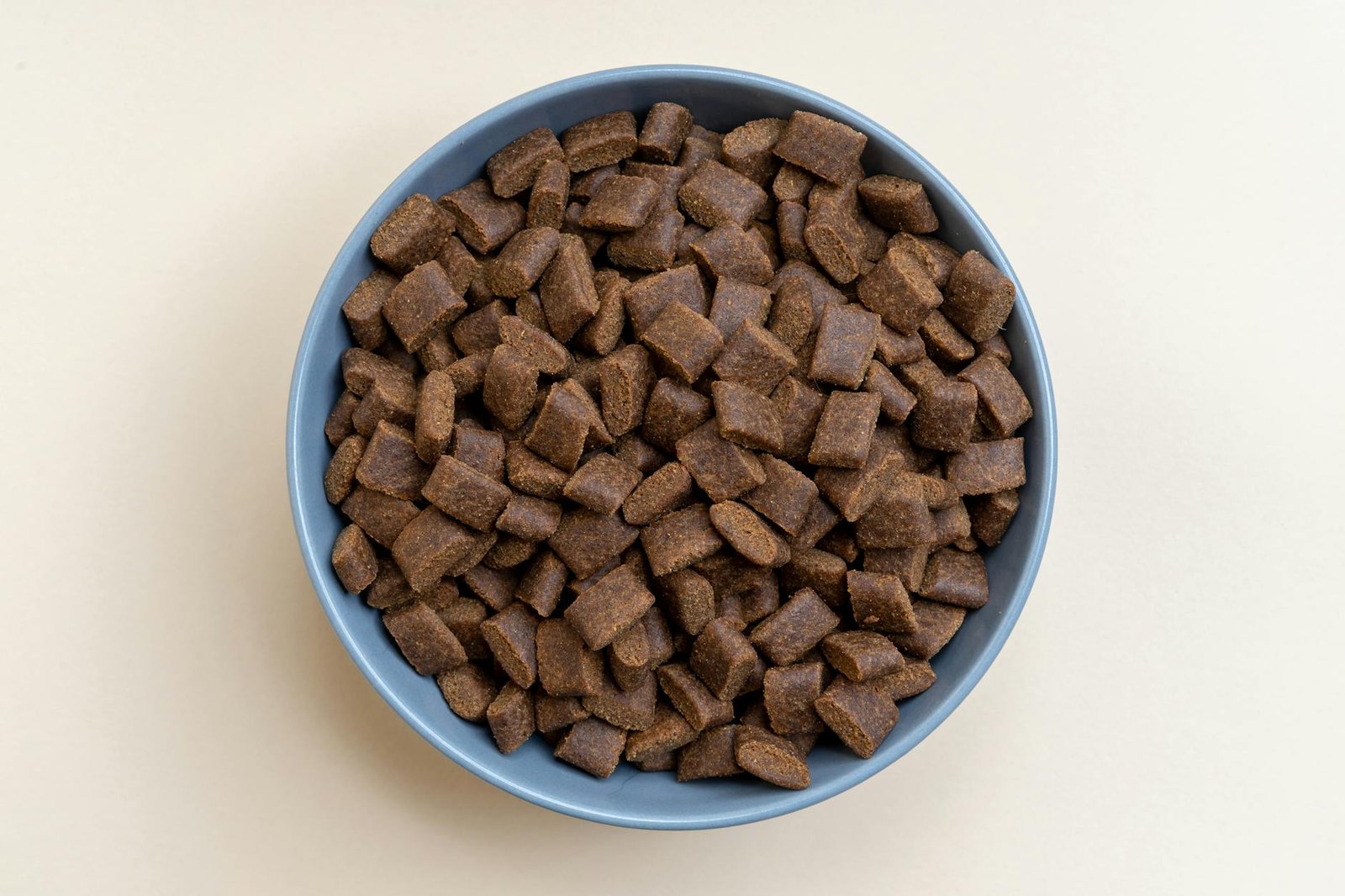
Deciding between raw dog food vs. kibble is a huge choice for any pet owner, directly shaping your dog’s health, longevity, and even your daily schedule. With so many options in a market expected to hit $141 billion by 2026 (Global Market Insights, 2026), it’s easy to feel overwhelmed. This detailed comparison will break down the nutritional science, safety concerns, costs, and convenience of both diets so you can make a smart choice for your canine companion this year. For more, see our guide on royal canin vs hill’s science diet. For more, see our guide on differences raw kibble. For more, see our guide on surprising truths fresh dog food kibble.

Disclosure: This post contains affiliate links. If you purchase through our links, we may earn a commission at no extra cost to you. It never affects what we recommend.
| Product Type | Estimated Monthly Price (Medium Dog) | Best For | Key Caveat |
|---|---|---|---|
| High-Quality Kibble | $60-$80 | Convenience, proven safety, balanced nutrition | Less natural moisture and enzymes |
| Commercial Raw Food | $150-$300+ | Owners seeking minimal processing, specific health benefits | Higher bacterial contamination risk, strict handling required |
| Homemade Raw Food | Varies widely (ingredients + supplements) | Maximum control over ingredients, specific dietary needs | High risk of nutritional imbalance and pathogen contamination |
What is a Raw Dog Food Diet? (Pros & Cons)
A raw dog food diet, often called BARF (Biologically Appropriate Raw Food or Bones and Raw Food) or Prey Model Raw (PMR), consists primarily of uncooked muscle meat, organ meats, whole or ground bones, and sometimes raw eggs, fruits, and vegetables. The philosophy behind raw feeding is to mimic the ancestral diet of canids, providing food in its most natural, unprocessed state.
Pros of Raw Dog Food
- Improved Digestion and Nutrient Absorption: Fans of raw food say that its natural enzymes and minimal processing improve digestion and nutrient uptake. Many owners report smaller, less odorous stools.
- Enhanced Skin and Coat Health: It’s often said that raw diets give dogs shinier coats, healthier skin, and fewer skin allergies.
- Increased Energy Levels: Some pet owners see their dogs have more energy and better vitality on a raw diet, which they attribute to the high-quality protein and fats.
- Better Dental Health: Feeding raw meaty bones can help scrape away plaque and tartar. This can mean cleaner teeth and healthier gums.
- No Fillers or Artificial Ingredients: Raw diets typically exclude grains, corn, soy, and artificial preservatives, colors, or flavors, which some owners believe are bad for dogs.
Cons of Raw Dog Food
- Significant Health Risks (Bacterial Contamination): This is the biggest concern. Raw meat can harbor harmful bacteria like Salmonella, E. coli, Listeria, and Clostridium. That puts both dogs and humans at risk. Studies show that 30%-50% of raw diets are contaminated (Loor-Giler et al., 2026). The American Animal Hospital Association (AAHA) and the American Veterinary Medical Association (AVMA) strongly advise against raw diets because of these risks.
- Nutritional Imbalances: Formulating a nutritionally complete and balanced homemade raw diet is tough and needs deep knowledge of canine nutrition. Deficiencies or excesses of certain nutrients can lead to serious health problems over time.
- Cost: Raw dog food is significantly more expensive than kibble, especially for larger breeds. The cost of sourcing high-quality meats, organs, and supplements can add up quickly.
- Inconvenience and Storage: Raw food requires careful handling, preparation, and storage to prevent bacterial growth and cross-contamination. It also needs freezer space and time to thaw.
- Choking Hazards and Dental Damage: Whole bones can choke a dog, fracture teeth, or cause internal injuries.

What is Kibble (Dry Dog Food)? (Pros & Cons)
Kibble, or dry dog food, is the most common and widely available type of commercial dog food. Manufacturers make it through an extrusion process where ingredients like proteins, grains, fats, vitamins, and minerals are cooked at high temperatures, shaped into pellets, and then dried. This process removes moisture, which extends shelf life and makes it more convenient.
Pros of Kibble
- Nutritionally Complete and Balanced: High-quality kibble brands are formulated by veterinary nutritionists to meet or exceed the nutritional standards set by organizations like the Association of American Feed Control Officials (AAFCO). They’re tested rigorously to ensure they give dogs all the nutrients they need for their life stage and breed. Brands like Purina Pro Plan and Hill’s Science Diet are examples of well-researched options.
- Convenience and Storage: Kibble is incredibly convenient. It’s easy to store, has a long shelf life, and needs no special preparation beyond scooping. It’s also compatible with automatic feeders.
- Affordability: Generally, kibble is the most budget-friendly dog food option. This makes it accessible to a wider range of pet owners.
- Dental Health Benefits: The crunchy texture of kibble can help scrape away plaque and tartar on teeth, though it’s not a substitute for regular dental care.
- Reduced Bacterial Risk: The high-temperature cooking process in kibble production kills harmful bacteria, making it a safer option for pathogens compared to raw diets.
Cons of Kibble
- Processing and Ingredients: Some pet owners worry about the high-temperature processing of kibble, which can reduce how well some nutrients and enzymes are absorbed. Some also worry about fillers, artificial additives, and cheaper ingredients in budget kibble brands.
- Lower Moisture Content: Kibble has a very low moisture content, so dogs need to drink more water to stay hydrated.
- Palatability: Some dogs find kibble less appealing than raw or wet food due to its dry texture and often milder smell.
- Potential for Allergens: Many kibble formulations contain common allergens like grains (corn, wheat, soy) or specific protein sources that can cause sensitivities in some dogs.
Head-to-Head Comparison: Raw vs. Kibble
Nutritional Breakdown: Meeting AAFCO Standards
Nutritional adequacy is central to any diet comparison. High-quality kibble brands are formulated to meet AAFCO standards, often through extensive research and feeding trials. They typically add synthetic vitamins and minerals to make up for any nutrient loss during processing. For more, see our guide on holistic vs traditional pet nutrition.
Raw food fans argue that natural, unprocessed ingredients offer better nutrient absorption and enzyme content. However, achieving a balanced raw diet, especially homemade, without expert guidance is extremely difficult. Frankly, trying to balance a homemade raw diet without a vet nutritionist is a recipe for disaster. Nutritional imbalances, such as calcium-phosphorus ratio discrepancies, can lead to severe skeletal issues over time. While some studies explore the nutritional benefits of natural pigments in food (Zhang et al., 2026), this doesn’t directly address the complete nutritional balance required for a dog’s full diet.
Safety & Health Risks: The Bacterial Contamination Debate
The safety aspect is where raw dog food and kibble differ most sharply. Kibble, due to its high-temperature cooking, is largely free of pathogenic bacteria. This greatly reduces the risk of foodborne illness for both pets and humans handling the food.
Conversely, the risk of bacterial contamination is a major concern with raw dog food. According to the American Veterinary Medical Association (AVMA), raw animal-source protein that hasn’t been processed to eliminate pathogens risks making both pets and humans sick (AVMA, 2026). Studies indicate that up to 30% of raw-fed dogs may shed pathogens, even if they show no clinical signs of illness. That’s a public health risk, especially for anyone with a weakened immune system, children, or the elderly (Loor-Giler et al., 2026).
Commercial raw food brands often use methods like High-Pressure Processing (HPP) to reduce bacterial risks, but they rarely guarantee complete elimination. Homemade raw diets carry the highest risk due to lack of sterilization.
Cost Analysis: A Realistic Monthly Budget Comparison
Cost matters a lot to most pet owners. Kibble is still the more affordable option, with prices varying based on brand quality and ingredients. For a medium-sized dog (around 40-50 lbs), a premium kibble like Purina Pro Plan or Hill’s Science Diet might cost between $60-$80 per month. More budget-friendly options can be found for as low as $30-$50 per month. For more, see our guide on purina pro plan veterinary diets review.
Raw dog food, whether commercial or homemade, is considerably more expensive. Commercial raw food brands can easily cost $150-$300+ per month for a medium-sized dog. Homemade raw diets, while allowing for ingredient control, still require purchasing high-quality meats, organs, and bones, along with necessary supplements, which can quickly add up to a similar or even higher monthly expense.
Honestly, if you’re on a tight budget, raw feeding probably isn’t for you. The raw pet food market alone was valued at USD 8.42 billion in 2026 and is predicted to reach USD 24.46 billion by 2035 (Fortune Business Insights, 2026). This growth shows its premium pricing and rising popularity.
Convenience & Preparation: Time and Effort Required
Kibble wins on convenience. It needs no preparation other than measuring, and its dry nature means easy storage. This ease of use is a big draw for busy pet owners.
Raw feeding, on the other hand, takes serious time and effort. This includes sourcing ingredients, careful measurement to ensure nutritional balance, and strict hygiene to stop bacterial contamination. For commercial raw diets, thawing is often required. Homemade raw diets involve even more hands-on preparation. That’s a huge time commitment.

What Do Vets & Experts Say?
Major veterinary organizations overwhelmingly advise caution or outright discourage raw feeding because of the serious health risks. The American Animal Hospital Association (AAHA) doesn’t advocate or endorse feeding pets raw or dehydrated non-sterilized foods (including animal-origin treats), citing overwhelming scientific evidence of pathogen contamination (AAHA, 2026). They specifically say homemade raw food diets are unsafe because of pathogen contamination in retail meats.
Similarly, the American Veterinary Medical Association (AVMA) opposes unregulated raw food feeding and discourages any animal-source protein not processed to eliminate pathogens (AVMA, 2026). Many mainstream veterinarians echo these concerns, often recommending high-quality commercial kibble brands like Purina, Hill’s, and Royal Canin because of their extensive research and testing for complete, balanced nutrition and safety.
While some canine nutrition experts and raw food proponents argue for the “biologically appropriate” nature of raw diets, they all emphasize the critical need for careful formulation to prevent nutritional imbalances and strict hygiene to reduce bacterial risks. They agree that the diet’s overall quality matters more than just how it’s fed.
Which Diet is Right for Your Dog?
Choosing between raw dog food and kibble comes down to your priorities, lifestyle, and your dog’s needs. There’s no one-size-fits-all “best” diet; it’s about what works for your dog and your home.
- Choose high-quality kibble if:
- You prioritize convenience, affordability, and tested safety.
- You have a busy lifestyle and prefer minimal food preparation.
- You have young children, elderly family members, or immunocompromised individuals in your home, where bacterial risks are a major concern.
- Your dog thrives on a consistent, nutritionally balanced diet backed by extensive research.
- Consider commercial raw dog food if:
- You’re committed to strict hygiene and understand the bacterial risks.
- You have the financial means to afford the higher cost.
- You want potential benefits like a better coat, digestion, or more energy, and your dog does well on raw.
- You’re willing to research and pick reputable commercial raw brands that use safety measures like HPP.
- Avoid homemade raw dog food unless:
- You’re working directly with a board-certified veterinary nutritionist to create a complete and balanced diet.
- You deeply understand canine nutritional needs and food safety.
How to Safely Transition Between Diets
If you change your dog’s diet, a gradual transition is key to preventing an upset stomach. This goes for switching from kibble to raw, raw to kibble, or even between different brands of the same food.
- Days 1-3: Mix 25% new food with 75% old food.
- Days 4-6: Mix 50% new food with 50% old food.
- Days 7-9: Mix 75% new food with 25% old food.
- Day 10 onwards: Feed 100% new food.
Monitor your dog for any signs of digestive upset, such as vomiting, diarrhea, or loss of appetite. If problems pop up, slow the transition. For raw food transitions, make sure you keep strict hygiene throughout the process, washing bowls, utensils, and surfaces thoroughly after each feeding.
Our Verdict
For most pet owners who prioritize safety, convenience, and scientifically-backed nutrition, high-quality commercial kibble (such as Purina Pro Plan or Hill’s Science Diet) is the better choice, with costs for a medium dog typically ranging from $60-$80 per month. While raw diets offer potential benefits, their bacterial risks and complexity just aren’t a good fit for the average household without expert veterinary oversight.
Frequently Asked Questions
What are the primary safety concerns with raw dog food?
Raw dog food’s main safety concerns are bacterial contamination from pathogens like Salmonella and E. coli. These can cause foodborne illness in both dogs and humans. Whole bones also pose choking hazards or can cause internal injuries.
How does the cost of raw dog food compare to kibble?
Raw dog food costs way more than kibble. A medium dog’s premium kibble might run $60-$80 monthly, but commercial raw food can easily hit $150-$300+. That’s a huge financial commitment.
Is kibble nutritionally complete for all dog breeds and life stages?
Yes, if it’s high-quality commercial kibble formulated by veterinary nutritionists and meets AAFCO standards. These are designed to be nutritionally complete and balanced for all dog breeds and life stages, from puppies to seniors. Many brands even offer specialized formulas for specific needs.
Does raw dog food offer superior health benefits over kibble?
Raw food fans claim benefits like shinier coats, better digestion, and more energy. However, major veterinary organizations advise caution because of documented safety risks. Scientifically, there’s limited evidence proving raw food is actually better than a good commercial kibble for most dogs’ overall health.
Why do veterinarians often recommend against raw dog food?
Vets usually recommend against raw dog food because of big worries about bacterial contamination, which can make pets and humans severely ill. They also point out how hard it is to create a nutritionally balanced raw diet, particularly homemade ones, which can cause long-term health issues.
Related reading: dog food.
Related reading: grain-free vs grain-inclusive pet food.
Related reading: ollie dog food.
Related reading: chewy vs petsmart.
Related reading: how to read pet food labels.
References
- American Animal Hospital Association. (2026). Raw Protein Diets FAQs. https://www.aaha.org/aaha-guidelines/raw-protein-diets/raw-protein-diets-faqs/
- American Veterinary Medical Association. (2026). Raw Animal-Source Protein Diets. https://www.avma.org/resources-tools/avma-policies/raw-animal-protein-diets
- Fortune Business Insights. (2026). Raw Pet Food Market Size, Share & COVID-19 Impact Analysis. https://www.fortunebusinessinsights.com/raw-pet-food-market-106579
- Global Market Insights. (2026). Pet Food Market Size, Share & Forecast. https://www.gminsights.com/industry-analysis/pet-food-market
- Loor-Giler, A., Sanchez-Castro, C., Robayo-Chico, M., Loor-Giler, A. M., Loor-Giler, M. A., & Loor-Giler, M. C. (2026). High contamination of Salmonella spp. in raw milk in Ecuador: molecular identification of Salmonella enterica serovars Typhi, Paratyphi, Enteritidis and Typhimurium. Frontiers in Sustainable Food Systems. https://www.semanticscholar.org/paper/ac3e52f17d6fba91d2497368d0eeddf9aa94bae3
- Packaged Facts. (2026). Pet Food in the U.S. Report. https://www.packagedfacts.com/
- Zhang, Z., Chen, J., Huang, X., & Zhang, J. (2026). Natural pigments in the food industry: Enhancing stability, nutritional benefits, and gut microbiome health. Food Chemistry, 463, 140514. https://www.semanticscholar.org/paper/070bbf3f7d6fba91d2497368d0eeddf9aa94bae3
Further reading
Get more Pet Health & Nutrition guides — free
New expert articles delivered straight to your inbox. No spam, unsubscribe anytime.
[…] Orijen and Acana are both premium pet foods, so expect a higher price tag than most conventional kibbles. Orijen is usually the more expensive of the two, and that’s often a deal-breaker for buyers. For more, see our guide on raw dog food vs kibble. […]
[…] Choosing the right food for your dog is one of the biggest decisions you’ll make as a pet owner. In 2026, the raw dog food vs kibble debate still rages, with passionate advocates on both sides. This detailed guide will break down the science, benefits, risks, and practicalities of each diet, helping you make an informed decision that’s best for your dog’s health and your lifestyle. For more, see our guide on raw dog food vs kibble. […]
[…] For more, see our guide on Holistic Vs Traditional Pet Nutrition. For more, see our guide on raw dog food vs kibble. For more, see our guide on holistic vs traditional pet […]
[…] Related reading: raw dog food vs kibble. […]
[…] Related reading: raw dog food vs kibble. […]