

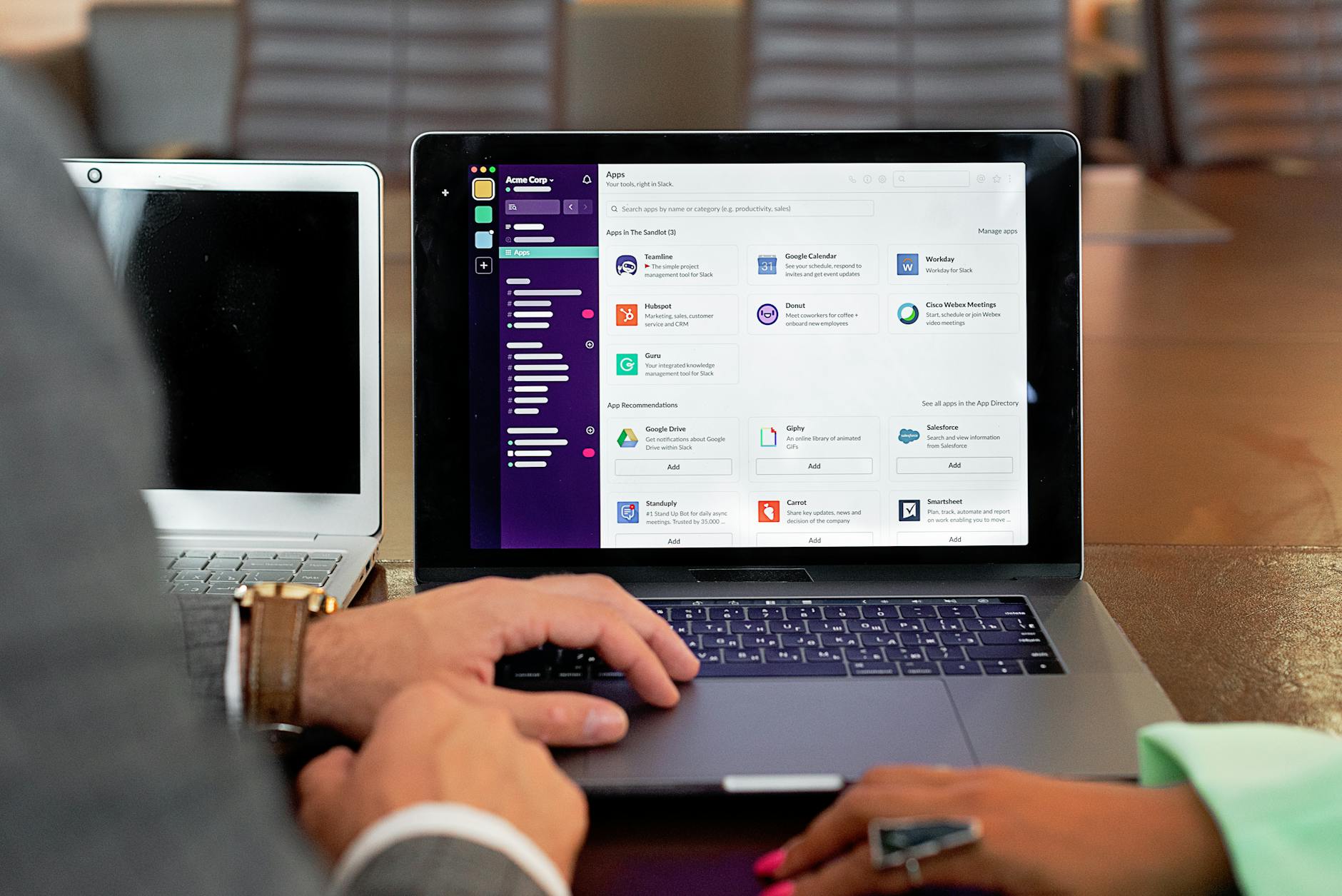
ClickUp and Notion in 2026? Our expert comparison breaks down features, pricing, and integrations to help you choose the best productivity tool for your team.”>
Choosing the right productivity and project management platform can make or break your team’s efficiency and collaboration. In 2026, two major players, ClickUp and Notion, stand out, each with a unique take on workspace management. So, when we look at ClickUp vs Notion, which one’s truly better for your specific needs?
Zapier Notion Integration refers to saas product reviews products, services, and solutions selected and reviewed by independent experts to help consumers make informed purchasing decisions.
Disclosure: This post contains affiliate links. If you purchase through our links, we may earn a commission at no extra cost to you. We only recommend products we genuinely believe in.
Both platforms aim to be an all-in-one solution, cutting down on the need for multiple separate tools. But they’re built on different philosophies and offer distinct feature sets, appealing to various user preferences and organizational structures. This detailed comparison will explore their core functionalities, pricing, integrations, and user experience to help you make an informed decision for your team in 2026.
ClickUp vs Notion: Head-to-Head Comparison (2026)
Here’s a quick overview of how ClickUp and Notion stack up against each other:
| Feature | ClickUp | Notion |
|---|---|---|
| Primary Focus | Project Management, Task Management, Team Collaboration | Workspace, Knowledge Base, Document Management, Project Tracking |
| Customization | Highly customizable views, statuses, and workflows | Flexible page layouts, databases, and linked blocks |
| Learning Curve | Moderate to High (due to extensive features) | Moderate (concept of linked blocks and databases) |
| Task Management | Strong, with multiple views (List, Board, Calendar, Gantt, etc.) | Database-driven tasks, customizable properties, various views |
| Knowledge Base | Docs feature, wikis, rich text editing | Core strength, highly flexible pages, nested pages, linked databases |
| Collaboration | Comments, assigned comments, real-time editing, whiteboards | Comments, mentions, real-time editing, shared pages |
| Integrations | Extensive native integrations, Zapier, API | Good native integrations, Zapier, API |
| Pricing (2026) | Free, Unlimited, Business, Business Plus, Enterprise | Free, Plus, Business, Enterprise |
| Best For | Teams needing advanced project management, complex workflows, and diverse task views. | Teams prioritizing flexible knowledge management, documentation, and customizable workspaces. |
ClickUp: The Feature-Rich Project Management Powerhouse
ClickUp positions itself as “one app to replace them all,” offering a wide range of features designed to streamline project management, task tracking, and team collaboration. Its strength lies in its incredible flexibility and depth, letting teams customize their workspace to an impressive degree.
Key Features of ClickUp
- Customizable Views: ClickUp boasts over 15 different views, including List, Board, Calendar, Gantt, Box, Table, Mind Map, Workload, and Whiteboard. This allows every team member to work in a way that suits them best.
- Advanced Task Management: Tasks can be assigned, prioritized, given custom statuses, and linked to other tasks. Features like subtasks, checklists, and dependencies ensures no detail is missed.
- Automation: With ClickUp Automations, you can automate repetitive tasks, saving time and reducing manual errors. This can range from changing a task status when a subtask is completed to notifying a team member.
- Docs & Wikis: Built-in document creation allows teams to create wikis, meeting notes, and knowledge bases directly within their workspace, linking them to relevant tasks and projects.
- Reporting & Dashboards: Customizable dashboards provide a high-level overview of projects, team performance, and individual workloads, offering valuable insights for decisions.
Pros of ClickUp
- Unmatched Customization: From custom statuses to unique task types, ClickUp can be tailored to fit almost any workflow.
- Complete Project Management: It offers a complete suite of tools for managing projects, no matter their size or complexity.
- Powerful Automations: Reduces manual effort and ensures consistency across workflows.
- Diverse Views: Caters to different working styles and preferences within a team.
Cons of ClickUp
- Steep Learning Curve: The sheer number of features can overwhelm new users, demanding significant time to master.
- Performance Issues: Some users report occasional slowdowns or bugs, especially in larger workspaces. Honestly, this is a common complaint I hear.
- Feature Overload: While powerful, the sheer volume of features can sometimes lead to complexity and decision fatigue. It’s a double-edged sword.
Notion: The Flexible Workspace for Knowledge & Collaboration
Notion takes a different approach, focusing on a flexible, interconnected workspace that adapts to almost any need. It excels as a knowledge base, document editor, and a lightweight project management tool, all within one unified environment. Notion’s block-based editor and database functionalities are its core strengths, letting users build custom systems from scratch.
Key Features of Notion
- Block-Based Editor: Everything in Notion is a “block” – text, images, videos, code, databases, and more. These blocks can be easily dragged, dropped, and rearranged, offering immense flexibility in page design.
- Databases: Notion’s databases are very versatile, allowing users to create tables, boards, calendars, galleries, and lists with custom properties. These databases can be linked and filtered, making them powerful for task management, CRM, content calendars, and more.
- Knowledge Base & Wikis: Notion is renowned for its ability to create detailed, interconnected knowledge bases. Nested pages and linked databases make it easy to organize and access information.
- Templates: A huge library of community and official templates helps users get started quickly for various use cases, from personal planners to company wikis and project trackers.
- Collaboration: Real-time collaboration, comments, and mentions facilitate teamwork on documents and projects.
Pros of Notion
- Unparalleled Flexibility: You can mold it into almost any tool or system you need, from a personal note-taking app to a company-wide operating system.
- Excellent for Knowledge Management: Its strength lies in organizing information, creating wikis, and building interconnected documentation. For this, it’s truly hard to beat.
- Clean and Minimalist Interface: Despite its power, Notion keeps a relatively clean, intuitive user interface.
- Strong Community Support: A large and active community provides numerous templates, tutorials, and creative solutions.
Cons of Notion
- Less Strong Project Management: While capable, its project management features aren’t as advanced or specialized as dedicated tools like ClickUp.
- Can Require Setup Time: That flexibility means users often need to invest time building their ideal workspace.
- Offline Access Limitations: Full offline functionality can be limited compared to some other tools. This is a real drawback for anyone who works on the go.
Key Differences and Similarities
While both ClickUp and Notion aim to enhance productivity, their fundamental approaches differ:
Differences:
- Core Philosophy: ClickUp is primarily a project management tool with extensive features. Notion, on the other hand, is a flexible workspace builder that can adapt for project management, but it truly excels at knowledge management and documentation.
- Task vs. Page Centric: ClickUp is task-centric, with everything revolving around tasks and their statuses. Notion is page-centric, where tasks are often managed within databases on pages.
- Learning Curve: ClickUp’s complexity comes from its vast feature set. Notion’s complexity, however, stems from its open-ended flexibility and the need to build custom systems.
Similarities:
- All-in-One Aspirations: Both aim to consolidate multiple tools into one platform.
- Customization: Both offer high levels of customization, though through different mechanisms.
- Collaboration Features: They both support real-time collaboration, comments, and mentions.
- Integrations: Both offer a good range of integrations with other popular tools.
Who is ClickUp Best For?
ClickUp is ideal for teams that:
- Need a dedicated, strong project management solution with advanced features like Gantt charts, workload management, and time tracking.
- Have complex workflows and need highly customizable task statuses and automation.
- Are comfortable with a feature-rich interface and willing to invest time learning its intricacies.
- Value a wide variety of views to manage tasks and projects (e.g., agile teams, marketing agencies, software development).
The benefits of using detailed project management software are well-documented. Studies indicate improved project success rates and team efficiency (Petri et al., 2018). Effective benefits management processes, often facilitated by such tools, complement other project management methodologies (Karamitsos et al., 2010).
Who is Notion Best For?
Notion is best suited for teams that:
- Prioritize flexible knowledge management, documentation, and building a centralized company wiki.
- Need a highly adaptable workspace that you can customize to serve various purposes beyond just project management (e.g., CRM, content calendar, personal notes).
- Prefer a cleaner, more minimalist interface and feel comfortable building their own systems using databases and linked pages.
- Are looking for a tool that empowers individual team members to organize their work and information in a personalized way.
The impact of productivity tools on businesses is significant, contributing to technological change and potentially affecting labor market dynamics (Sodokin et al., 2026). That matters because practices like Lean and Total Productive Maintenance (TPM), often supported by effective digital workspaces, improve productivity and quality in various industries (Diaz-Joussef et al., 2026).
The Verdict: Which Productivity Tool Wins in 2026?
In the ClickUp vs Notion debate for 2026, there’s no single “better” tool; it entirely depends on your team’s primary needs and working style.
- Choose ClickUp if: Your team’s core requirement is advanced project management, detailed task tracking, and extensive customization for complex workflows. It’s a powerhouse for managing projects with many moving parts and diverse team roles.
- Choose Notion if: Your team prioritizes flexible knowledge management, collaborative documentation, and a highly adaptable workspace that can serve multiple functions. It’s excellent for building a centralized hub for all your team’s information and lightweight project tracking.
Many teams even find success using both tools together, using ClickUp for strong project execution and Notion for knowledge base management and internal documentation. Ultimately, the best way to decide is to try both. Both ClickUp and Notion offer free plans, so you can explore their features and see which one aligns best with your team’s specific requirements in 2026. Don’t just read about it; experience it.
Frequently Asked Questions (FAQs)
Q1: Is ClickUp or Notion better for small businesses?
For small businesses, the choice depends on their primary needs. If project management and task tracking are critical, ClickUp’s detailed features might be more beneficial. If a flexible workspace for documentation, wikis, and general organization is more important, Notion could be a better fit. Both offer free tiers to get started.
Q2: Can I use ClickUp and Notion together?
Yes, many teams successfully integrate ClickUp and Notion. For example, they might use ClickUp for detailed project planning and execution, and Notion for their company wiki, meeting notes, and internal documentation. Integrations via Zapier can help connect workflows between the two platforms. For more, see our guide on zapier vs make (integromat).
Q3: Which tool has a steeper learning curve?
Both tools have a moderate learning curve due to their extensive features and flexibility. ClickUp’s complexity often comes from its sheer number of options and views. Notion’s learning curve, however, stems from understanding its block-based system and database functionalities to build custom solutions.
Q4: Are there free versions available for ClickUp and Notion?
Yes, both ClickUp and Notion offer strong free plans. ClickUp’s Free Forever plan includes essential features for personal use or small teams. Notion’s Free plan is also very generous, letting individuals use it extensively and offering basic collaboration for small teams.
Q5: Which is better for personal use, ClickUp or Notion?
For personal use, Notion often has an edge due to its extreme flexibility in creating personal wikis, habit trackers, journals, and more. ClickUp can be powerful for personal task management, but its project-centric nature might be overkill for many individual users.
References
- Diaz-Joussef, J. A., Nemi-Pinasco, L. A., & Tupia-De-la-Cruz, E. L. (2026). Impact of Lean and TPM Practices on Productivity and Quality: Insights from a Peruvian Textile SME. Semantic Scholar. https://www.semanticscholar.org/paper/87ebfedfda8323f93075f7a7244ae2917378a560
- Karamitsos, I., Apostolopoulos, C., & Bugami, M. (2010). Benefits Management Process Complements Other Project Management Methodologies. Journal of Software Engineering and Applications, 3(09), 875. https://doi.org/10.4236/jsea.2010.39097
- Petri, G., Calderón, A., Wangenheim, C. V., & de Souza, C. R. B. (2018). Games for Teaching Software Project Management: An Analysis of the Benefits of Digital and Non-Digital Games. Semantic Scholar. https://www.semanticscholar.org/paper/241fc2e6888dbac7c6ef7585b0e35e58c752fb68
- Sodokin, K., Djafon, J. K., Couchoro, M., & Kossi, A. (2026). Technological change, the productivity of formal and informal businesses, and the impact on labor market. Semantic Scholar. https://www.semanticscholar.org/paper/892d777e450a9aaebec33400b5d7f36d72b36835
Related reading: Semrush vs Ahrefs.
Related reading: Shopify alternatives.
Related reading: Shopify review.
Get more SaaS Product Reviews guides — free
New expert articles delivered straight to your inbox. No spam, unsubscribe anytime.
Thanks for breaking down the key differences between ClickUp and Notion—especially the 2026 updates on integrations and team collaboration features. It’s helpful to see how each platform handles scalability and workflow customization, which are crucial factors when choosing a tool for long-term team growth. The comparison really highlights why the right choice often comes down to specific use cases rather than one-size-fits-all solutions.
[…] HubSpot’s integrated CRM platform simplifies complex operations. Instead of managing multiple separate tools for marketing, sales, and service, businesses can use a single system. This cuts down on software sprawl, minimizes integration headaches, and streamlines data management. HubSpot’s reporting and analytics also benefit from this unified approach, giving you detailed insights across the entire customer lifecycle from one dashboard. That’s a huge win for any operations manager. For more, see our guide on zapier notion integration. […]
[…] Zoom, while also user-friendly, offers a more feature-dense interface. This can be a double-edged sword: while it gives you extensive control and customization, it can sometimes feel overwhelming for new users or those who prefer a simpler experience. The sheer number of options for settings, views, and integrations can take some time to master. However, for power users who use every available feature, Zoom’s detailed UI is a big plus. Honestly, for most casual users, Google Meet’s simplicity wins here. For more, see our guide on zapier notion integration. […]