

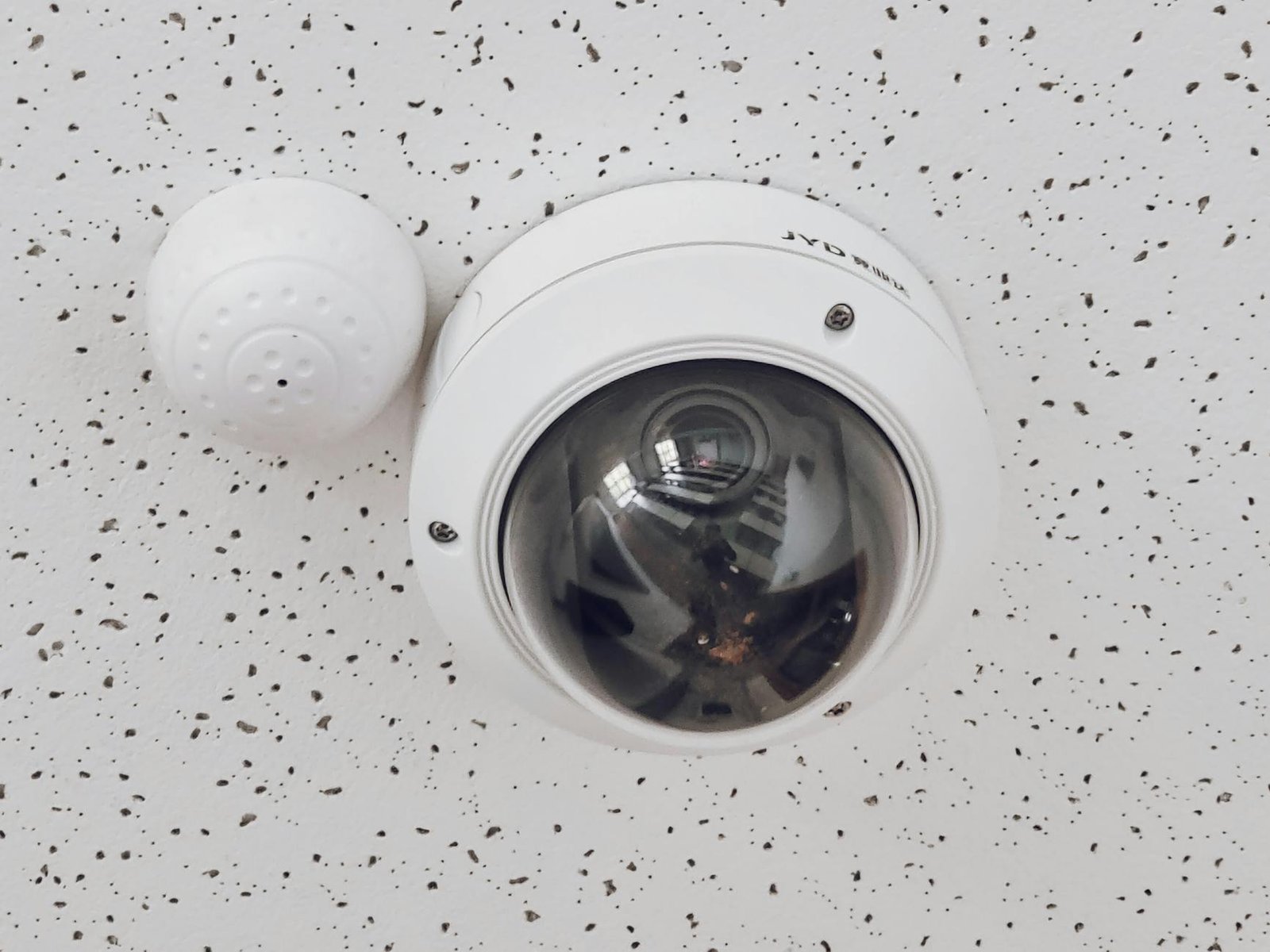
In 2026, securing your home is more crucial than ever. With advancements in smart technology and an increasing need for peace of mind, choosing the best home security systems can feel overwhelming. This comprehensive buyer’s guide cuts through the noise, offering expert-tested insights and reviews to help you find the perfect system for your needs. We’ll explore everything from DIY options to professional installations, breaking down costs, features, and the latest trends to ensure your home is protected with 2026’s top solutions.
Disclosure: This post contains affiliate links. If you purchase through our links, we may earn a commission at no extra cost to you. We only recommend products we genuinely believe in.
Quick Picks: The Top 3 Home Security Systems of 2026
For those ready to enhance their home security now, here are our top three recommendations based on performance, reliability, and user satisfaction in 2026: For more, see our guide on Best Home Security Systems For Apartments.
- Overall Best: SimpliSafe – Offers a robust DIY setup with optional professional monitoring, excellent equipment, and no long-term contracts. Check Price on SimpliSafe
- Best for Smart Home Integration: Ring Alarm Pro – Seamlessly integrates with an extensive ecosystem of smart home devices, providing comprehensive coverage and advanced features. Shop Ring on Amazon
- Best for Professional Monitoring: Vivint – Delivers premium professional installation and 24/7 monitoring with cutting-edge smart home automation. Get a Quote from Vivint
Our Methodology: How We Chose the Best Security Systems of 2026
To identify the best home security systems for 2026, our team of security experts conducted rigorous testing and evaluation. We focused on several key criteria to ensure our recommendations are reliable, effective, and offer true value to homeowners. Our process involved:
- Hands-On Testing: We installed and operated each system in various real-world home environments, assessing ease of setup, daily functionality, and responsiveness.
- Feature Analysis: We meticulously compared features such as sensor types, camera quality, smart home compatibility, and monitoring options.
- Pricing and Value: We analyzed equipment costs, monthly monitoring fees, and contract terms to determine overall value for money.
- Customer Support: We interacted with customer service teams to evaluate their responsiveness, knowledge, and problem-solving capabilities.
- Reliability and Durability: We assessed the build quality of components and the consistency of system performance under various conditions.
- User Reviews and Feedback: We considered feedback from thousands of real users to understand long-term satisfaction and common issues.
- Industry Standards: We ensured all recommended systems meet or exceed current industry security standards and certifications.
2026 Rankings: The Top Security Systems of the Year
Here’s a detailed look at the top home security systems that stood out in our 2026 evaluations: For more, see our guide on Best Outdoor Home Security Systems.
1. SimpliSafe: The Best DIY Solution with Professional Backup
SimpliSafe continues to lead the market for DIY home security, offering an intuitive setup combined with robust protection. In 2026, SimpliSafe has further refined its sensors and introduced enhanced AI-powered detection for its cameras, reducing false alarms. Its no-contract professional monitoring option remains a significant draw, providing flexibility that many competitors lack. The system is highly customizable, allowing users to start with a basic package and expand as needed. Learn more about SimpliSafe For more, see our guide on Best Home Security Systems For Pet Owners.
- Pros: Easy DIY installation, no contracts, affordable monitoring, wide range of sensors, excellent customer support.
- Cons: Camera resolution could be higher on some older models, limited advanced smart home integrations compared to some rivals.
2. Ring Alarm Pro: Smart Home Security Powerhouse
Ring Alarm Pro, building on the success of its predecessors, is our top pick for smart home enthusiasts in 2026. It integrates seamlessly with Amazon Alexa and a vast array of Ring devices, including video doorbells, floodlight cameras, and smart lighting. The Pro model also includes a built-in Eero Wi-Fi 6 router, providing reliable internet connectivity and backup internet service during outages (with a Ring Protect Pro subscription). This makes it a central hub for both security and smart home management. Explore Ring Alarm Pro on Amazon
- Pros: Deep smart home integration, reliable Wi-Fi backup, extensive range of compatible devices, user-friendly app.
- Cons: Requires a subscription for full features, some users report privacy concerns with cloud storage.
3. Vivint: Premium Professional Protection and Automation
Vivint remains the gold standard for professionally installed and monitored home security systems in 2026. Known for its cutting-edge equipment and comprehensive smart home integration, Vivint offers a truly premium experience. Their systems feature advanced cameras with AI analytics, smart thermostats, and intelligent door locks, all controlled through a sleek touchscreen panel and mobile app. While it comes at a higher price point, the white-glove installation and 24/7 professional monitoring provide unparalleled peace of mind. Get a free quote from Vivint
- Pros: Professional installation, advanced smart home features, excellent 24/7 monitoring, high-quality equipment.
- Cons: More expensive, requires a contract, not a DIY option.
4. ADT: The Trusted Name with Modern Solutions
ADT has been a household name in home security for decades, and in 2026, they continue to innovate. Their modern offerings include smart home integration, mobile app control, and a variety of customizable packages. ADT’s extensive network of monitoring centers provides rapid response times, a critical factor for many homeowners. While traditionally known for professional installation, ADT also offers some DIY-friendly options through partnerships. Visit ADT for current offers
- Pros: Long-standing reputation, fast professional monitoring, customizable systems, wide range of equipment.
- Cons: Can be more expensive, typically requires a contract, some equipment may feel less modern than newer competitors.
5. Arlo: Best for Wireless Camera Systems
While primarily known for its award-winning wireless security cameras, Arlo also offers comprehensive security systems that integrate seamlessly with its camera ecosystem. In 2026, Arlo‘s cameras boast impressive 4K HDR video quality, advanced object detection, and long-lasting battery life. Their modular system allows users to build a robust surveillance network with optional professional monitoring. Shop Arlo on Amazon
- Pros: Exceptional wireless cameras, long battery life, local storage options, easy to expand.
- Cons: Professional monitoring is an add-on, not a full-service security provider like Vivint or ADT.
Quick Comparison: The Best Security Systems of 2026 at a Glance
| Feature | SimpliSafe | Ring Alarm Pro | Vivint | ADT | Arlo |
|---|---|---|---|---|---|
| Installation | DIY | DIY | Professional | Professional/DIY | DIY |
| Monitoring | Optional Pro | Optional Pro | Professional | Professional | Optional Pro |
| Contract Required | No | No (for basic) | Yes | Yes | No (for basic) |
| Smart Home Integration | Good | Excellent | Excellent | Good | Good |
| Starting Price (Equipment) | $$ | $$ | $$$ | $$$ | $$ |
| Monthly Monitoring | $17.99-$29.99 | $20-$30 | $39.99-$59.99 | $45-$60 | $9.99-$14.99 |
A More Detailed Look at the Best Security Systems of 2026
Beyond the quick overview, understanding the nuances of each system is key to making an informed decision. Here, we delve deeper into what makes each of our top picks stand out in the competitive 2026 home security market.
SimpliSafe: Flexibility Meets Reliability
SimpliSafe has consistently earned high marks for its user-friendly approach. The system’s modular design means you can customize your package to fit any home size or budget. Their sensors are discreet and reliable, and the base station includes a cellular connection for backup, ensuring your system stays online even if Wi-Fi is down. In 2026, SimpliSafe introduced a new generation of motion sensors with improved pet immunity, minimizing false alarms from furry friends. Their professional monitoring plans are among the most affordable, starting around $17.99/month, and crucially, they don’t lock you into long-term contracts. This flexibility is a major advantage for renters or those who prefer not to be tied down. Find SimpliSafe at Home Depot
Ring Alarm Pro: The Connected Home Defender
Ring’s strength lies in its ecosystem. The Ring Alarm Pro acts as a central hub, not just for security, but for your entire smart home. Its integration with Eero Wi-Fi provides a robust network, and the optional 24/7 professional monitoring with cellular and internet backup ensures continuous protection. For those already invested in Ring doorbells or cameras, the Alarm Pro is a natural and powerful extension. The Ring app is intuitive, allowing you to arm/disarm, view live camera feeds, and manage all your connected devices from one place. The ability to store video locally on an SD card (with a Ring Protect Pro plan) also addresses some common cloud storage concerns. Shop Ring products at Build.com
Vivint: The Ultimate Smart Home Security Experience
Vivint offers a truly integrated smart home security experience. Their professional installers ensure optimal placement and setup of every component, from door and window sensors to smart locks and garage door controllers. The Vivint Smart Hub, a central touchscreen panel, provides intuitive control over your entire system. Their cameras feature advanced analytics, such as person detection and package detection, which are highly effective in 2026. Vivint’s 24/7 professional monitoring is top-tier, with rapid response times and dedicated support. While the initial investment and monthly fees are higher, the comprehensive service and advanced technology justify the cost for those seeking a premium, hands-off security solution. Request a Vivint consultation
ADT: Heritage Meets Innovation
ADT has leveraged its decades of experience to adapt to the modern security landscape. In 2026, ADT offers a range of smart home security solutions, including video surveillance, smart locks, and energy management. Their monitoring centers are strategically located across the country, ensuring redundancy and quick response. ADT’s professional installation guarantees proper setup, and their customer service is generally highly rated. For homeowners who value a long-standing brand with a proven track record, ADT provides a reliable and comprehensive security solution. They also offer various financing options to make their systems more accessible. (ADT, n.d.)
Arlo: Visual Security at Its Best
Arlo’s strength lies in its superior camera technology. Their wireless cameras are easy to install and offer exceptional video quality, even in low light. The Arlo Secure subscription unlocks advanced features like cloud video recording, intelligent alerts (person, vehicle, animal detection), and emergency response. While Arlo can function as a standalone camera system, it also offers a full security system with a base station, sensors, and a siren. This makes it an excellent choice for those who prioritize visual deterrence and monitoring, with the flexibility to add professional monitoring if desired. Browse Arlo cameras on Amazon
Other Security Systems We Tested
Beyond our top five, we also evaluated several other notable home security systems that offer compelling features. While they didn’t make our top recommendations for overall performance or value, they might be a good fit for specific needs:
- Cove Security: Known for its affordable professional monitoring and straightforward DIY installation. Cove offers a good balance of features and cost-effectiveness, particularly for those on a tighter budget.
- Wyze Home Monitoring: A highly budget-friendly option that leverages Wyze‘s popular smart home devices. It’s a great entry-level system for basic security needs, though its features are less advanced than premium options.
- Google Nest Secure (Discontinued): While Google Nest Secure was a popular choice in previous years, it has been discontinued. However, Google continues to offer individual Nest cameras and doorbells that can integrate with other smart home platforms for a partial security solution. We recommend looking at current alternatives like Ring or Arlo for comprehensive systems.
- Abode: Offers a highly customizable DIY system with extensive smart home compatibility, including Z-Wave and Zigbee devices. Abode is a strong contender for tech-savvy users who want granular control over their security and automation.
About Our Rankings and SecureScore™
Our rankings are based on a proprietary SecureScore™ system, which evaluates each home security system across more than 50 data points. These points are weighted based on their importance to the average homeowner, including:
- Equipment quality and durability (20%)
- Ease of installation and use (15%)
- Monitoring options and response times (20%)
- Smart home integration and ecosystem (15%)
- Cost (equipment and monitoring) (10%)
- Customer support and warranty (10%)
- Advanced features (e.g., AI detection, cellular backup) (10%)
This comprehensive approach ensures that our recommendations for the best home security systems are data-driven and reflect real-world performance in 2026.
How to Pick a Home Security System
Choosing the right home security system involves considering your specific needs, budget, and lifestyle. Here’s a step-by-step guide to help you make an informed decision:
- Assess Your Security Needs:
- Do you live in a high-crime area?
- Do you have valuable possessions?
- Are you frequently away from home?
- Do you have pets that might trigger motion sensors?
Understanding your risks will help determine the level of security required.
- Determine Your Budget:
- Consider both upfront equipment costs and ongoing monthly monitoring fees.
- DIY systems generally have lower upfront costs and flexible monitoring.
- Professionally installed systems often have higher upfront costs but may include installation in a contract.
- DIY vs. Professional Installation:
- DIY: Ideal for tech-savvy individuals who want to save on installation costs and prefer flexibility. Systems like SimpliSafe and Ring are excellent DIY choices.
- Professional: Best for those who prefer a hands-off approach, require complex setups, or want guaranteed expert installation. Vivint and ADT specialize in this.
- Monitoring Options:
- Self-Monitoring: You receive alerts and are responsible for contacting emergency services. This is the most affordable option.
- Professional Monitoring: A central station monitors your system 24/7 and dispatches emergency services when an alarm is triggered. This offers the highest level of protection.
- Smart Home Integration:
- If you already have smart home devices (Alexa, Google Home, smart lights), choose a system that integrates seamlessly.
- Ring and Vivint offer extensive smart home ecosystems.
- Key Features:
- Look for essential components like door/window sensors, motion detectors, and a siren.
- Consider adding security cameras (indoor/outdoor), video doorbells, and environmental sensors (smoke, CO, flood).
- Read Reviews and Compare:
- Consult expert reviews and customer testimonials.
- Use comparison tables to quickly see feature differences.
What Are Home Security Systems?
Home security systems are integrated networks of electronic devices designed to protect your property and occupants from intruders, fires, carbon monoxide leaks, and other emergencies. At their core, these systems typically include a control panel, various sensors (door/window, motion), and a siren. Modern systems in 2026 have evolved significantly, incorporating advanced technologies such as:
- Smart Home Integration: Connecting with devices like smart locks, thermostats, and lighting for centralized control.
- Video Surveillance: Indoor and outdoor cameras with features like night vision, two-way audio, and AI-powered person/package detection.
- Remote Access: Mobile apps that allow you to arm/disarm your system, view live camera feeds, and receive alerts from anywhere.
- Environmental Monitoring: Sensors for smoke, carbon monoxide, and water leaks, providing comprehensive protection beyond just intrusion.
- Professional Monitoring: 24/7 monitoring by a central station that dispatches emergency services in case of an alarm.
The global smart home security market is projected to reach USD 163.15 billion by 2032, indicating a strong trend towards integrated and intelligent security solutions (Precedence Research, n.d.).
DIY Vs Professionally Installed Systems
The choice between a DIY (Do-It-Yourself) and a professionally installed home security system is a significant one, each offering distinct advantages and disadvantages. In 2026, both options have become more sophisticated and accessible.
DIY Home Security Systems
Pros:
- Cost Savings: Generally lower upfront equipment costs and often no installation fees.
- Flexibility: No long-term contracts are typically required for monitoring, allowing you to cancel or change plans easily.
- Customization: You can choose exactly which components you need and expand your system over time.
- Portability: Easy to take with you if you move.
- Control: Full control over installation and system settings.
Cons:
- Time and Effort: Requires you to set up and troubleshoot the system yourself.
- Technical Knowledge: Some familiarity with smart home technology can be helpful.
- Potential for Errors: Improper installation could lead to vulnerabilities.
DIY systems like SimpliSafe and Ring Alarm Pro are popular choices for their ease of installation and cost-effectiveness (Consumer Reports, 2026).
Professionally Installed Systems
Pros:
- Expert Installation: Technicians ensure optimal placement and proper functioning of all components.
- Comprehensive Service: Often includes maintenance, repairs, and dedicated customer support.
- Advanced Features: Many professional systems offer more sophisticated equipment and monitoring capabilities.
- Peace of Mind: You know the system is set up correctly and monitored by experts.
Cons:
- Higher Cost: Typically involves higher upfront equipment costs, installation fees, and more expensive monthly monitoring.
- Contracts: Most professional services require long-term contracts (3-5 years).
- Less Flexibility: Customization might be limited to available packages.
- Not Portable: Often difficult or impossible to take with you if you move.
Companies like Vivint and ADT excel in providing professionally installed and monitored solutions, catering to those who prioritize a hands-off, premium experience.
How Much Do the Best Security Systems Cost?
The cost of a home security system in 2026 can vary widely depending on whether you choose a DIY or professionally installed system, the number of components, and the type of monitoring. It’s essential to consider both the upfront equipment costs and the ongoing monthly fees.
Equipment Costs:
- DIY Systems: Basic starter kits can range from $150 to $500. Adding extra sensors, cameras, and smart home devices can increase the total to $800 or more. For example, a SimpliSafe starter kit might be around $200, while a more comprehensive Ring Alarm Pro setup could reach $400-$600.
- Professionally Installed Systems: These often have higher equipment costs, sometimes ranging from $500 to over $1,500, depending on the complexity and number of devices. Some providers might offer discounted or “free” equipment with a long-term contract, but the cost is typically recouped through higher monthly fees.
Monthly Monitoring Fees:
- Self-Monitoring: Free, but you’re responsible for all alerts and emergency calls.
- Basic Professional Monitoring: For DIY systems, this can range from $10 to $30 per month. This usually includes 24/7 monitoring and cellular backup.
- Advanced Professional Monitoring: For professionally installed systems, or premium DIY plans, fees typically range from $30 to $60 per month. These plans often include video storage, smart home integration, and advanced app features.
When budgeting, always ask for a detailed breakdown of all costs, including equipment, installation, activation fees, and monthly monitoring, to avoid surprises.
Key Features to Look For In a Home Security System
When evaluating the best home security systems, certain features are paramount for effective protection and user convenience in 2026:
- Control Panel/Hub: The central brain of your system. Look for an intuitive interface, cellular backup, and battery backup in case of power outages.
- Door and Window Sensors: Essential for detecting forced entry. Ensure they are reliable and easy to install.
- Motion Detectors: Crucial for detecting movement inside your home. Modern sensors offer pet immunity to prevent false alarms.
- Security Cameras:
- Indoor/Outdoor: Consider where you need surveillance.
- Resolution: Aim for 1080p HD or higher for clear footage.
- Night Vision: Essential for monitoring in low light.
- Two-Way Audio: Allows you to speak to visitors or deter intruders.
- Local/Cloud Storage: Options for saving video footage.
- Video Doorbell: Allows you to see and speak to visitors, even when you’re not home.
- Siren: A loud siren is a powerful deterrent for intruders.
- Mobile App Control: The ability to arm/disarm, view cameras, and receive alerts from your smartphone is a must-have.
- Smart Home Integration: Compatibility with platforms like Amazon Alexa, Google Assistant, Z-Wave, or Zigbee for a connected home experience.
- Professional Monitoring: 24/7 monitoring by a central station provides the highest level of security and peace of mind.
- Environmental Sensors: Smoke, carbon monoxide, and flood sensors offer comprehensive protection against various hazards.
- Tamper Protection: Ensures the system alerts you if components are tampered with or disabled.
- Deterrence of Crime: Visible security cameras, yard signs, and window decals are often enough to make potential intruders think twice. Homes without security systems are significantly more likely to be targeted by burglars (SafeHome.org, 2026).
- Protection of Valuables: Should an intrusion occur, an alarm system can alert authorities quickly, increasing the chances of recovering stolen items.
- Peace of Mind: Knowing your home is protected, whether you’re at work, on vacation, or asleep, provides invaluable peace of mind for you and your family.
- Remote Monitoring and Control: Modern systems allow you to check on your home from anywhere using a smartphone app. You can see live camera feeds, arm/disarm the system, and even control smart home devices.
- Emergency Response: With professional monitoring, emergency services (police, fire, medical) are dispatched automatically when an alarm is triggered, ensuring a rapid response even if you’re unable to call.
- Reduced Homeowner’s Insurance Premiums: Many insurance companies offer discounts (often 5-20%) for homes equipped with security systems, especially those with professional monitoring (Security.org, 2026).
- Environmental Protection: Beyond intrusion, many systems include smoke, carbon monoxide, and flood sensors, alerting you to potential hazards that could cause significant damage or harm.
- Smart Home Integration: Security systems often serve as the hub for your smart home, allowing you to automate lighting, thermostats, and locks for convenience and energy efficiency.
- ADT. (n.d.). Home Security Systems & Alarms. ADT. https://www.adt.com/
- Consumer Reports. (2026, January 15). Best DIY Home Security Systems of 2026. Consumer Reports. https://www.consumerreports.org/home-garden/home-security-systems/best-diy-home-security-systems-of-the-year-a7270683122/
- Precedence Research. (n.d.). Smart Home Security Market Size to Hit USD 163.15 Bn by 2032. Precedence Research. https://www.precedenceresearch.com/smart-home-security-market
- SafeHome.org. (2026, February 1). Home Security Statistics 2026. SafeHome.org. https://www.safehome.org/data/home-security-statistics/
- Security.org. (2026, January 20). Home Security Tips, Facts and Statistics for 2026. Security.org. https://www.security.org/home-security-systems/tips/
The Benefits of Having a Security System
Investing in one of the best home security systems offers a multitude of benefits that extend far beyond simply deterring burglars. In 2026, these systems are integral to modern home management and personal safety.
FAQ Section
Q: Are DIY home security systems as effective as professionally installed ones?
A: In 2026, many DIY home security systems offer comparable levels of protection to professionally installed ones, especially when paired with professional monitoring. The key difference often lies in the installation process and the level of ongoing support. DIY systems like SimpliSafe and Ring are highly effective if installed correctly, while professional systems like Vivint and ADT offer a hands-off, expert-guaranteed setup.
Q: Do I need a contract for home security monitoring?
A: Not always. Many DIY home security systems, such as SimpliSafe and Ring, offer flexible month-to-month professional monitoring plans without requiring long-term contracts. However, most professionally installed systems, like ADT and Vivint, typically require multi-year contracts (e.g., 3-5 years) in exchange for equipment discounts or included installation.
Q: Can home security systems integrate with my existing smart home devices?
A: Yes, most of the best home security systems in 2026 offer robust smart home integration. Systems like Ring Alarm Pro and Vivint are designed to be central hubs for smart devices, compatible with platforms like Amazon Alexa, Google Assistant, Z-Wave, and Zigbee. This allows for unified control of your security, lighting, thermostats, and other smart home gadgets.
Q: How often should I test my home security system?
A: It’s recommended to test your home security system at least once a month. This includes testing sensors, the siren, and the communication with your monitoring center (if applicable). Most systems have a “test mode” that allows you to do this without dispatching emergency services. Regular testing ensures all components are functioning correctly and that your system is ready to protect your home when needed.
Conclusion
Choosing the best home security systems for your needs in 2026 is a critical decision for protecting your property and loved ones. Whether you opt for the flexibility and affordability of a DIY system like SimpliSafe or Ring Alarm Pro, or the comprehensive, premium service of a professionally installed system like Vivint or ADT, the market offers robust solutions for every homeowner. By considering your budget, desired features, and monitoring preferences, you can confidently select a system that provides unparalleled peace of mind. Don’t wait until it’s too late – secure your home today.
Ready to find the perfect fit for your home? Explore top-rated home security systems on Amazon or visit Home Depot’s security section for more options.
[…] Integrating your security system with smart home devices can significantly enhance protection and convenience. Smart locks, smart lighting, and smart thermostats can work in conjunction with your security system to create automated routines that deter intruders and improve energy efficiency. For instance, smart lights can turn on automatically if a motion sensor is triggered, giving the impression someone is home. For more, see our guide on best home security systems. […]